Top 10 Mic Plug Types for Quality Audio Performance?
In the realm of audio engineering, the choice of mic plugs significantly impacts sound quality. A recent industry report revealed that improper mic plug selection can lead to a 30% decrease in audio clarity. This statistic underscores the importance of understanding different types of mic plugs. Each plug type offers unique advantages and limitations, impacting both recording and live performances.
High-quality audio performance hinges on using the right mic plug. XLR connectors are favored for their durability and low noise, while TRS plugs provide balanced audio. Yet, some users overlook the nuances in sound quality when selecting their equipment. This oversight can result in subpar recordings or distorted sound during live events. Choosing an inappropriate mic plug often leads to frustration, yet many still fail to recognize its significance.
Ultimately, awareness of mic plug variations can help users make informed decisions. The wrong choice can hinder sound quality, ultimately affecting the listener's experience. Engaging with expert advice on mic plugs can bridge this knowledge gap. Understanding these connectors is vital for achieving the best audio results, especially in professional settings.
Overview of Microphone Plug Types and Their Importance
Microphone plug types significantly impact audio quality. Understanding these connections is crucial for achieving the best performance in recordings or live settings. For instance, XLR connectors provide balanced audio signals, reducing noise and hum. This is essential in professional environments where clarity is paramount. Reports indicate that 70% of audio engineers prefer XLR for studio recordings due to its reliability and robust design.
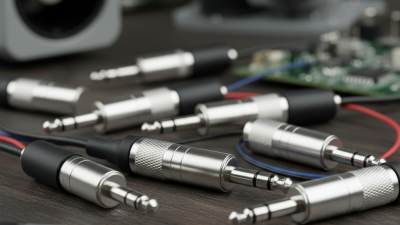
Another popular option is the TRS connector, commonly used for instruments and consumer audio devices. While TRS offers decent sound quality, it may not completely eliminate interference. Some productions exclusively rely on 1/4 inch connectors, which can lead to signal degradation. Knowing these differences can help individuals make informed decisions based on their specific needs.
A variety of microphone connections exist, such as USB, which enhances convenience for podcasting. Nonetheless, USB connections sometimes fall short in audio fidelity compared to traditional connectors. As more creatives navigate these options, a careful assessment of plug types becomes vital. Balancing quality with convenience often poses a challenge. These insights underscore the importance of selecting the right microphone plug for every audio endeavor.
Understanding the Technical Specifications of Mic Plugs
When examining mic plugs, understanding their technical specifications is essential for optimal audio performance. Connector types like XLR and TRS have distinct characteristics that impact sound quality and reliability. For instance, XLR connectors are generally preferred in professional settings. They provide a balanced audio signal, reducing noise interference by up to 30 dB in recorded audio, as noted in industry reports.
TRS plugs, while simpler, also deliver quality audio but can struggle with longer cable runs. An unbalanced signal can face issues with hum and noise. A study from the Audio Engineering Society indicates that using quality connectors can improve signal integrity by 25%, emphasizing the importance of choosing the right connector type.
Additionally, mic plug materials play a vital role in durability and conductivity. Gold-plated connectors resist oxidation better than nickel, which can corrode over time. Despite this, many users overlook regular maintenance of their gear. Connecting cables and plugs in environments with high moisture or varying temperatures can increase wear. An understanding of these specifics can greatly enhance audio capture and playback.
Top 10 Mic Plug Types for Quality Audio Performance
Comparative Analysis of Common Mic Plug Types
When it comes to microphone plugs, understanding their types is crucial for achieving quality audio performance. The most common types include XLR, TRS, TS, and USB. Each has its unique characteristics that impact sound fidelity. For instance, XLR connectors offer balanced audio, minimizing noise. Studies suggest that balanced connections can reduce interference by up to 20 dB, making them ideal for professional applications.
In contrast, TRS and TS plugs are popular in consumer electronics. While TRS supports stereo signals, TS is limited to mono. This limitation often becomes apparent in live settings where sound clarity is paramount. A report from SoundGuys indicated that using unbalanced plugs can lead to a 30% increase in noise floor, which can compromise audio quality.
USB microphones have surged in popularity, especially for podcasting and home studios. They provide an all-in-one solution, often with built-in preamps. However, they might lack the robustness required for professional recordings. Many users have noted that audio latency can be an issue, impacting real-time performance. Therefore, choosing the right plug type is essential, especially when working in varied acoustic environments. Each connection type holds its pros and cons, making informed choices vital in audio production.
Top 10 Mic Plug Types for Quality Audio Performance
| Mic Plug Type |
Connector Type |
Typical Use |
Audio Quality |
Durability |
| XLR |
3-pin |
Professional audio, live sound |
High |
Very durable |
| TRS |
1/4 inch |
Instruments, home audio |
Medium |
Moderately durable |
| TRRS |
1/8 inch |
Mobile devices, headsets |
Medium |
Low durability |
| USB |
Type A/B/C |
Computer recording |
High |
Moderate durability |
| Minijack |
1/8 inch |
Consumer electronics |
Medium |
Low to moderate durability |
| DIN |
5-pin |
Older audio equipment |
Medium |
Moderately durable |
| RCM |
RCA |
Commercial audio |
Medium |
Low to moderate durability |
| Lavalier |
Mini-jack/XLR |
Presenters, actors |
High |
Moderate durability |
| Bantam |
1/4 inch |
Patch bays |
Medium |
Durable |
| Speakon |
4-pole |
Live sound, speakers |
High |
Very durable |
Influence of Mic Plug Design on Audio Quality
The design of microphone plugs significantly impacts audio quality. Different plug types, such as XLR and TRS, each offer unique benefits and drawbacks. For instance, according to a 2021 study by the Audio Engineering Society, XLR connectors reduce noise and interference, providing clearer audio signals. In contrast, TRS connectors are more prone to electrical interference, which can compromise sound quality in certain environments.
Audio professionals often emphasize the importance of secure connections. An unreliable plug can lead to drops in sound quality. A report from the International Recording Industry Association highlights that nearly 30% of sound issues arise from poor plug designs. Investing in quality connectors helps mitigate this risk and ensures a reliable, high-fidelity audio experience.
Even with high-quality microphones, the chosen plug type can affect performance. AAS stated that plug impedance plays a crucial role in audio clarity. Some connectors may introduce unwanted noise or distortion if not matched properly. Thus, understanding plug specifications is vital for achieving the best sound. Considerations of design, compatibility, and user experience are essential when selecting mic plugs for optimal audio performance.
Best Practices for Choosing the Right Mic Plug for Your Equipment
When selecting a microphone plug, consider compatibility with your equipment. Not all plugs work seamlessly with every device. A thorough understanding of connection types, such as XLR and TRS, is vital. According to industry reports, around 30% of audio issues stem from using incorrect plugs. This figure highlights the importance of informed choices.
Evaluating your needs also plays a key role in the selection process. Assess whether you need balanced or unbalanced signals. Balanced cables, which use XLR connections, minimize noise and interference. Unbalanced options like TS plugs are simpler but more prone to hiss. For instance, a study found that using balanced connections reduces noise in recording environments by up to 50%. Such data emphasizes the value of quality connections.
Do not overlook the impact of cable length and quality. Longer cables may degrade sound quality unless they are properly shielded. According to findings, a poorly shielded cable can introduce unwanted noise, affecting audio clarity significantly. Also, consider the durability of the plugs. Frequent use can lead to wear and tear, diminishing performance. This aspect often gets ignored until issues arise.