What is the Best Stereo Plug for Global Sourcing?
In the ever-evolving world of audio equipment, finding the best stereo plug for global sourcing can be quite challenging. Industry expert John Taylor, a leading sound engineer, states, “Choosing the right stereo plug can significantly impact sound quality.” This highlights the importance of making informed decisions in this niche market.
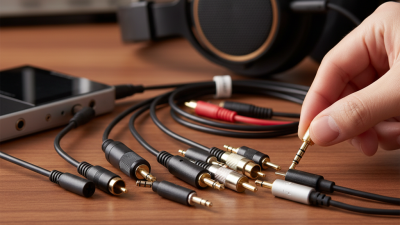
Stereo plugs come in various forms, including 1/4-inch and 1/8-inch types. Each variation has unique applications, which can make the selection process daunting. The compatibility of these plugs with different devices is crucial. Not all plugs fit all equipment perfectly, leading to frustrations and potential wastage.
When sourcing these components globally, one must consider quality and cost. A cheaper stereo plug may save money but could compromise sound fidelity. The global market is rife with options, but not all manufacturers uphold stringent quality control. Therefore, evaluating the reputation of suppliers is essential for making reliable choices. Balancing quality with affordability remains a complex task, inviting reflection on the implications of each sourcing decision.
What Are Stereo Plugs and Their Common Types in Global Markets?
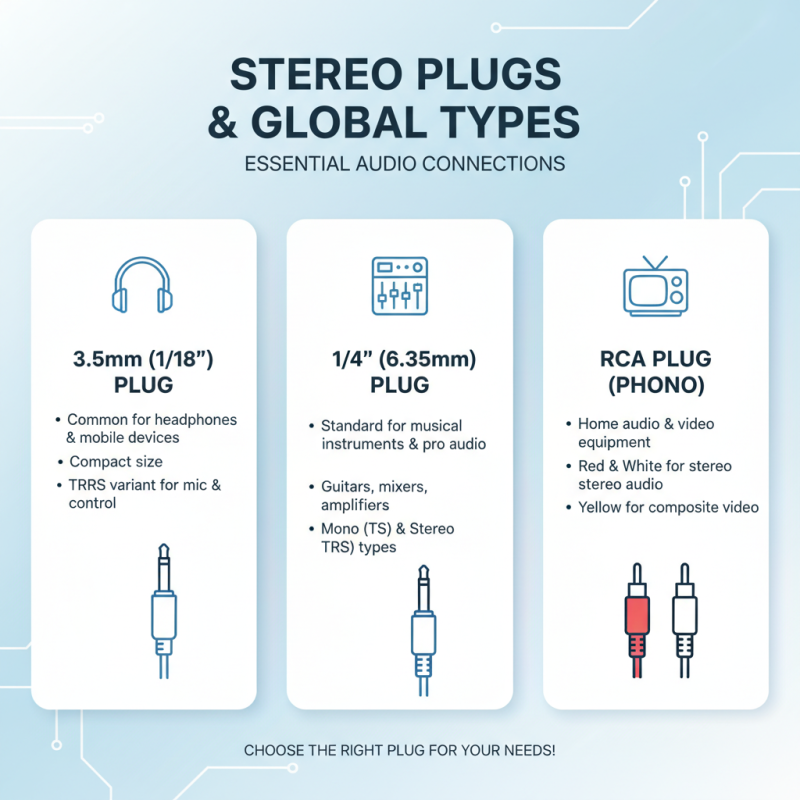
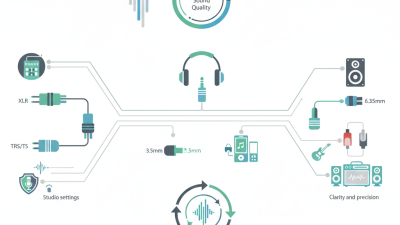
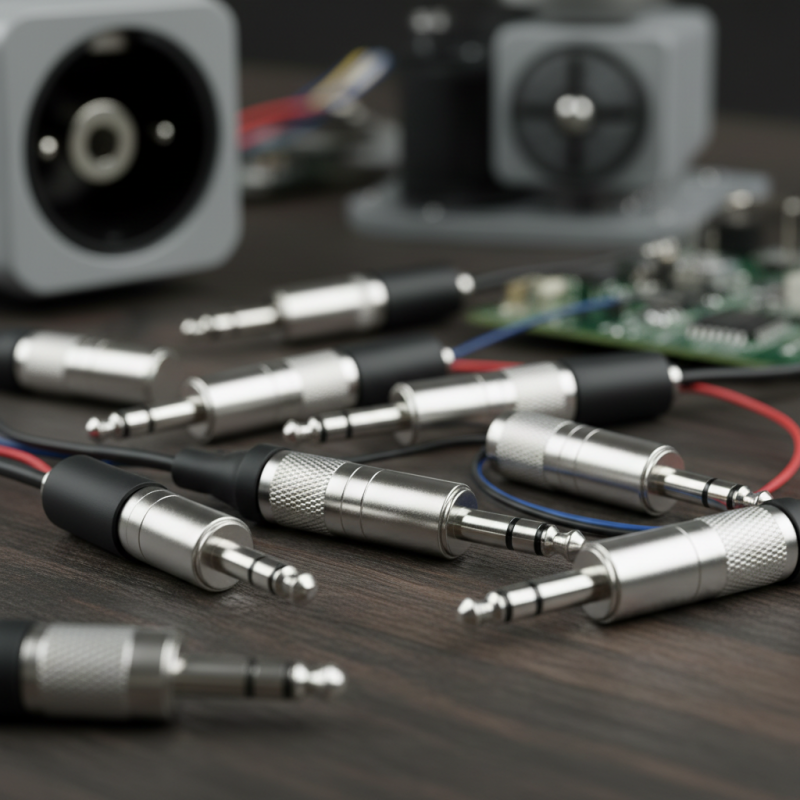
Stereo plugs are essential components in audio connections. They come in various types, each serving specific purposes in global markets. The most common types include 3.5mm, 1/4" (6.35mm), and RCA plugs. Each type has unique benefits and applications, making it crucial for buyers to understand their differences.
3.5mm plugs are widely used in consumer electronics. They provide a compact solution for headphones and portable devices. In contrast, 1/4" plugs are more common in professional audio equipment. Musicians and sound engineers often rely on these for instruments and audio interfaces. RCA plugs, typically used in home theaters, support stereo audio and video connections.
Tip: Always consider the compatibility of the plug type with your devices. Ensure you choose the right size to avoid connection issues. Some plugs may fit but can lead to performance problems. Testing can save time and hassle.
It's essential to recognize that stereo plugs can be prone to wear and tear. Poor quality plugs might not transmit sound clearly over time. Consider investing in better options when sourcing for long-term use. While price is a factor, quality often proves more reliable in the end.
Key Specifications and Standards for Stereo Plugs in Global Sourcing
When sourcing stereo plugs globally, understanding key specifications is essential. The common sizes include 3.5mm and 6.35mm. Each size serves different equipment types. A 3.5mm plug is often used for smartphones and portable devices. In contrast, the 6.35mm plug is common in professional audio equipment. Selecting the right size impacts performance.
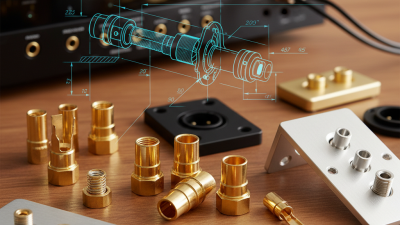
Another crucial factor is the material used in the plug. High-quality connectors often use gold plating for better conductivity. This feature can prevent corrosion and ensure a longer lifespan. However, not all stereo plugs are made from robust materials. Low-quality plugs may save costs but can lead to poor audio quality.
Electrical specifications matter as well. Impedance and contact resistance are vital for sound clarity. A mismatch can result in distortion. Additionally, manufacturers should comply with industry standards, such as IEC or ISO. Failing to do so could lead to compatibility issues. Overall, careful attention to these specifications makes a difference in global sourcing.
Market Trends: Demand for Stereo Plugs in the Electronics Industry
The demand for stereo plugs is growing in the electronics industry. According to a recent industry report, the global stereo plug market is projected to reach $1.2 billion by 2026, driven by an increase in consumer electronics and audio technology. Factors such as the rise of portable devices, including smartphones and laptops, contribute significantly to this trend. These devices often require reliable and high-quality audio connections, thus enhancing the necessity for durable stereo plugs.
Manufacturers face challenges in ensuring quality while keeping costs low. In the evolving market, sourcing materials that meet stringent quality standards is essential. A study highlighted that 85% of sourcing professionals prioritize finding suppliers that offer both quality and efficiency. Engaging with trusted suppliers can mitigate risks and ensure the consistent availability of superior products.
Tips for sourcing stereo plugs effectively include:
1. Evaluate supplier certifications to verify their quality assurance processes.
2. Conduct market analysis to stay informed about emerging technologies and materials.
3. Consider sustainability in sourcing practices, as consumers increasingly prefer eco-friendly products.
Balancing quality and cost remains a critical reflection point for many in the industry. As audio technology progresses, staying versatile in sourcing strategies is vital.
Market Trends: Demand for Stereo Plugs in the Electronics Industry
The following chart illustrates the demand for stereo plugs in the electronics industry over the last five years. The data showcases an increasing trend, reflecting the growth of audio devices and consumer electronics.
Comparing Cost Factors: Pricing of Stereo Plugs from Different Regions
When considering stereo plugs for global sourcing, cost emerges as a primary factor. Different regions offer varying price points due to labor costs, material availability, and production methods. For example, sourcing from Asia can often yield lower prices, while Western manufacturers may charge more due to higher operational expenses. This price disparity encourages companies to evaluate their sourcing strategies closely.
Tips: Always analyze the total landed cost. Don’t just focus on unit price. Include shipping and tariffs for better budgeting.
Another aspect to consider is the quality associated with different prices. Sometimes, lower-cost plugs may lack durability or reliability. Balancing cost with quality is critical. A cheap plug might save money initially, but long-term failures can lead to greater expenses.
Tips: Prioritize suppliers with positive reviews. Research their production processes and customer feedback.
Understanding local regulations can also impact costs. Some regions may have stricter quality standards, affecting the production process and pricing. This complexity adds another layer to the sourcing decision, necessitating thorough research.
Tips: Keep abreast of international standards. Ensuring compliance can save future headaches.
Evaluating Quality: Industry Standards for Reliable Stereo Plugs
When sourcing stereo plugs globally, evaluating quality is essential. Manufacturers must adhere to specific industry standards to ensure reliability. For instance, the International Electrotechnical Commission (IEC) has established benchmarks for audio connectors, which include durability and performance metrics. These standards help in identifying plugs that can withstand repeated use without compromising sound quality.
Surveys indicate that nearly 70% of users will experience connection failures due to low-quality plugs. A study from the Audio Engineering Society reported that connectors failing to meet IEC standards result in increased noise levels. This is critical for professionals in audio production. Quality plugs minimize interference and enhance sound clarity, making adherence to industry norms non-negotiable.
Yet, sourcing reliable plugs can be challenging. Not all manufacturers provide transparent testing certifications. This lack of clarity can lead to inconsistencies in quality. An industry report revealed that around 40% of sampled plugs did not meet the stated specifications. These discrepancies highlight the need for careful vetting of suppliers. Seeking plugs that pass rigorous testing ensures reliability in applications that demand high audio fidelity.