10 Essential Tips for Choosing the Right RCA Ends for Your Audio Needs
Choosing the right RCA ends is crucial for achieving optimal audio quality. Many users overlook this aspect when setting up their audio systems. However, the performance of your system heavily relies on the quality of these connections. Properly chosen RCA ends can significantly reduce noise and enhance connectivity.
There are various types of RCA ends available on the market. Some options may appear appealing but do not deliver on performance. It’s essential to understand which materials and designs work best for your specific audio needs. While flashy designs may impress, functionality should be your main focus.
Many audio enthusiasts have faced challenges with their RCA ends, only to realize the importance of making informed choices. This guide will provide essential tips for selecting RCA ends that suit your equipment. Investing in the right components will help you enjoy better sound clarity, making your audio experience more fulfilling.
Understanding the Importance of RCA Ends in Audio Systems
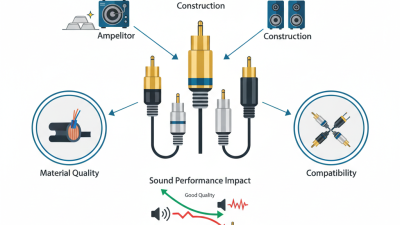
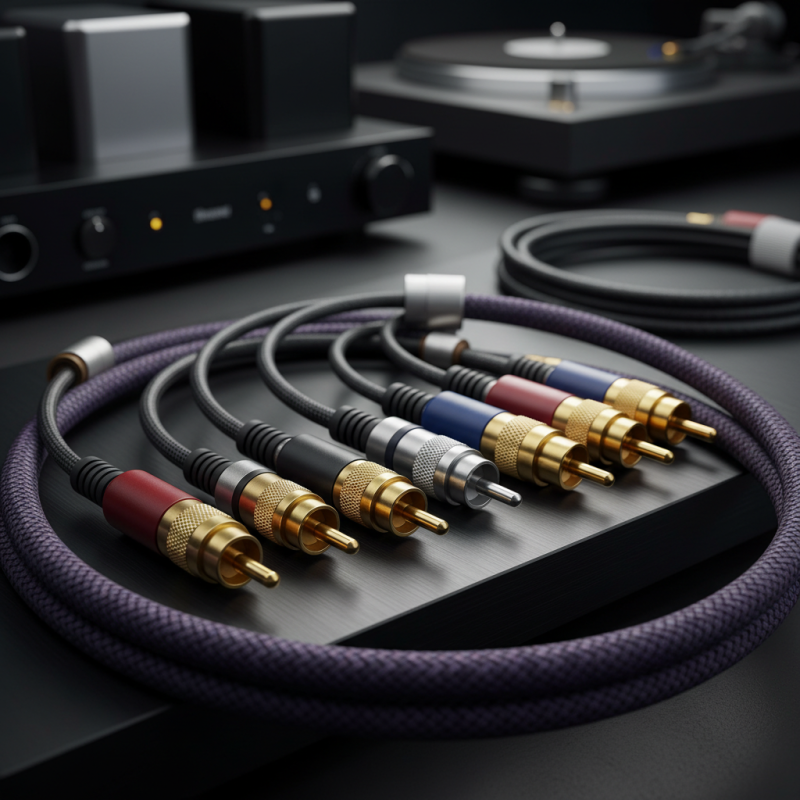
Understanding the importance of RCA ends in audio systems is crucial for achieving optimal sound quality. RCA connectors serve as the bridge between various audio devices, ensuring clear signal transfer. The quality of these connectors directly impacts sound performance. Poor-quality RCA ends can introduce noise or distortion into your audio system, degrading the overall listening experience.
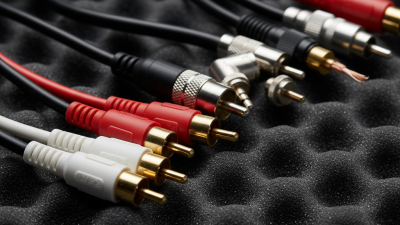
When selecting RCA ends, consider the material and construction. Gold-plated connectors resist corrosion, providing a reliable connection over time. Look for sturdy, well-built plugs that can withstand regular use. Visual inspection is essential; damaged ends should be replaced promptly to maintain audio clarity. Testing different RCA ends can reveal significant differences in audio output. Your ears are the best judge in this case.
Reflect on your current audio setup. Are you using the right RCA connectors? Sometimes, the simplest changes can lead to noticeable improvements. Don’t overlook cable length and routing. Excessive lengths can introduce signal degradation. Take time to experiment and find what works best for your needs. Each small adjustment builds towards a more refined audio experience.
Identifying Your Specific Audio Requirements for RCA Ends
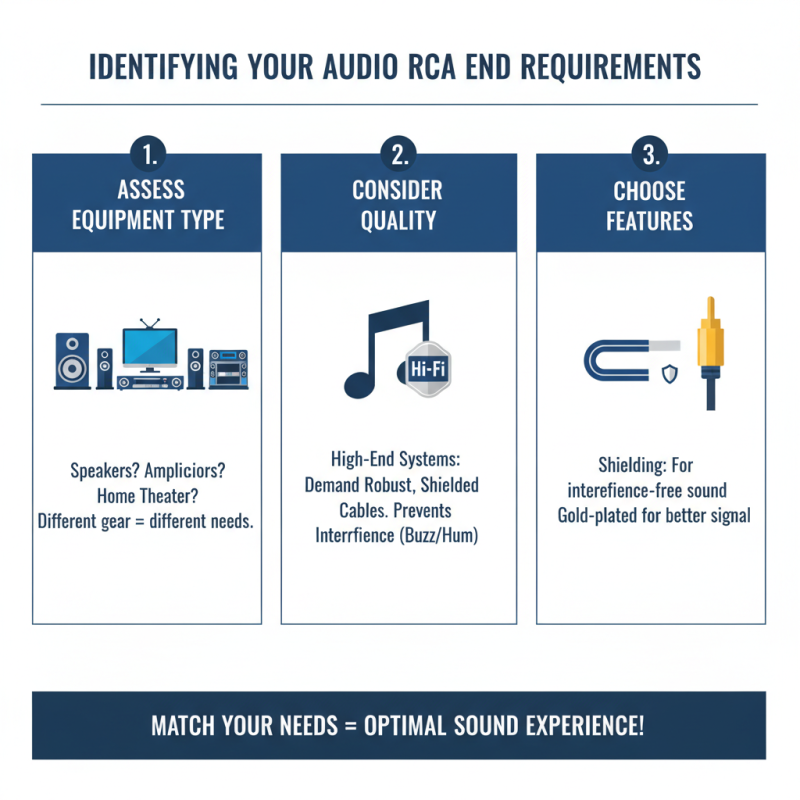
Choosing the right RCA ends for your audio setup is crucial. Knowing your specific audio requirements is the first step. Think about the type of equipment you own. Are you connecting speakers, amplifiers, or a home theater system? Each setup demands different features. For instance, high-end audio systems may require more robust, shielded cables to prevent interference.
Tip: Ensure compatibility with your devices. Check the RCA ends for fitting in your audio ports. The diameter and length can affect connectivity. Consider the material as well; gold-plated connectors usually provide better durability and conductivity. But remember, it's not just about quality—budget plays a role too.
Reflect on your listening environment. Will you use RCA cables in a professional studio, or for casual home use? In a professional setting, precision matters. You might need cables that can withstand heavy use. For home, a basic option might suffice. Balance your needs with your budget.
Tip: Don’t overlook the length of the RCA cables. That can impact the sound quality. Shorter cables often provide clearer signals. But you might need longer ones in larger spaces. Keeping cable management in mind is also vital. Ensure your setup remains tidy and functional.
Evaluating the Quality and Construction of RCA Ends
When evaluating RCA ends for audio needs, construction quality is paramount. Examine the materials used. High-quality connectors often feature gold plating, which enhances conductivity. However, not every gold-plated RCA end guarantees superior performance. Sometimes, a solid copper core with proper shielding can outperform overpriced options.
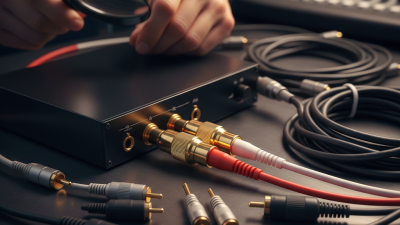
Look closely at the cable strain relief design. A well-constructed RCA end has robust strain relief to prevent damage from bending. Poorly designed connectors might fail prematurely, leading to frustration. Visual inspections can reveal much about the build quality.
Sound quality can be influenced by the choice of RCA ends. It's essential to balance aesthetics with functionality. Some might focus too much on how a connector looks rather than how it performs. Aesthetic appeal can be misleading. In the end, prioritize the quality of sound over style for optimal audio experience. It's a common mistake to overlook this aspect. Reflect on your choices and invest wisely.
Comparing Different Types of RCA Ends for Performance and Compatibility
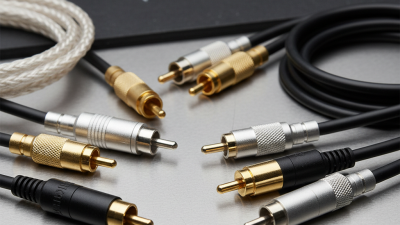
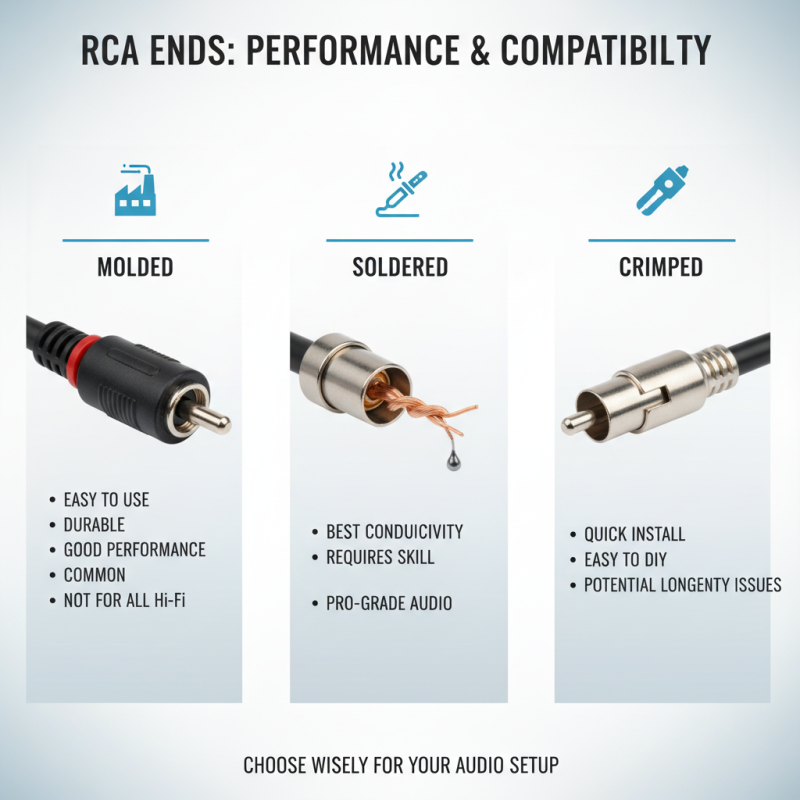
When selecting RCA ends for audio applications, understanding the different options is crucial. RCA ends come in various types, including molded, soldered, and crimped. Molded designs are easy to find and simple to use. They are durable and offer good performance. However, they may not be suitable for all high-fidelity needs. Soldered ends provide better conductivity, but require soldering skills. This can be daunting for beginners. Crimped ends offer a quick installation but might compromise on longevity.
Performance varies significantly among types of RCA ends. For instance, gold-plated connectors resist corrosion, enhancing conductivity. Yet, they can be pricier and may not always guarantee superior sound quality. Testing different types in your setup can yield unexpected results. Compatibility with existing equipment is equally important. Some RCA ends may not fit all devices snugly, leading to signal loss. Researching compatibility can prevent audio issues down the line. Remember, sometimes what looks good on paper does not always perform well in practice.
Budgeting for RCA Ends: Balancing Cost and Quality in Your Purchase
Budgeting for RCA ends can feel daunting. Many consumers may think that a higher price guarantees better quality. However, this isn’t always true. When selecting RCA ends, focus on the performance rather than the price tag. Finding a balance between cost and quality is essential.
Consider your audio setup. A budget-friendly option can work perfectly for casual listening. Yet, spending a bit more might be wise for those who demand top-notch sound. Research is crucial. Look for user reviews and expert opinions to gauge performance. Stick to reliable sources for guidance.
It’s vital to reflect on your personal needs. Are you a casual user or an audio enthusiast? It’s easy to overspend on unnecessary features. Sometimes, cheaper components deliver adequate performance. Keep your priorities clear. The right choice may come down to trial and error. Don't hesitate to experiment with different RCA ends until you find the perfect match.
10 Essential Tips for Choosing the Right RCA Ends for Your Audio Needs
| Tip No. |
Essential Tip |
Considerations |
Price Range |
| 1 |
Assess Your Audio Needs |
Type of audio system, application (home, studio) |
$5 - $20 |
| 2 |
Check Length Requirements |
Distance from components |
$5 - $25 |
| 3 |
Prioritize Connector Quality |
Material quality, reliability |
$10 - $50 |
| 4 |
Consider Shielding Options |
Interference reduction |
$8 - $35 |
| 5 |
Evaluate Brand Reputation |
Research user reviews |
$10 - $60 |
| 6 |
Balance Cost and Quality |
Avoid overly cheap options |
$5 - $40 |
| 7 |
Look for Warranty or Guarantee |
Coverage for defects |
$10 - $50 |
| 8 |
Think About Color-Coding |
Ease of connecting components |
$5 - $15 |
| 9 |
Choose Appropriate Plating |
Gold or nickel plating |
$10 - $45 |
| 10 |
Buy from Reputable Retailers |
Avoid unverified sellers |
$10 - $70 |