How to Choose the Right Rca Ends for Your Audio Needs?
Choosing the right RCA ends for your audio needs can be a daunting task. With various types and qualities available, it’s essential to understand your requirements. RCA ends play a crucial role in connecting devices for sound transmission. The right choice can greatly enhance your audio experience.
Consider the type of devices you are using. Are they professional studio equipment or consumer-level components? Each type may require different RCA ends. Look for connectors that offer durability and low signal loss. Sometimes, cheaper RCA ends can lead to poor sound quality.
Reflect on your long-term needs. Investing in high-quality RCA ends may seem costly upfront. However, it can save you from frequent replacements. A reliable connection will ensure a better listening experience. Don’t overlook compatibility with your existing cables. Taking these factors into account will lead you closer to making the right choice.
Understanding RCA Connectors: An Overview
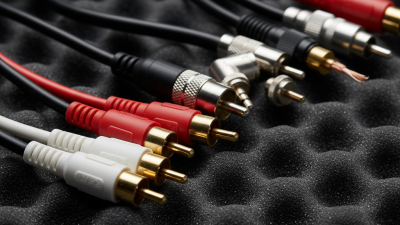
RCA connectors have been a dominant choice for audio needs for decades. These connectors are color-coded: red for right audio and white or black for left. According to industry reports, RCA connectors maintain a widespread prevalence due to their ease of use and established reliability. In fact, around 70% of audio devices still support RCA connections, demonstrating their lasting relevance.
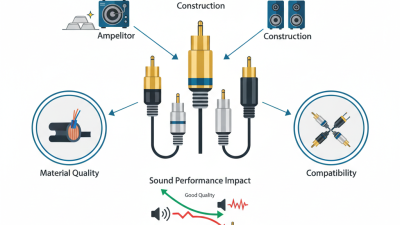
RCA connectors come in various quality levels. Budget options may suffice for casual listeners, but audiophiles seek higher quality. Premium RCA cables can provide better shielding and durability. Some reports suggest that investing in a higher-end RCA cable can lead to a noticeable improvement in sound quality. However, the differences can be subtle and subject to personal preference.
It's critical to understand terms like “gold-plated” connectors. While they resist corrosion and may improve conductivity, they are not always necessary. Some users find that standard connectors perform adequately in their setups. Ultimately, choosing RCA ends requires careful assessment of your audio needs and setup, rather than following trends blindly. Regular evaluation of your audio equipment's performance could reveal opportunities for enhancement or highlight areas for improvement.
Types of RCA Ends and Their Specific Uses
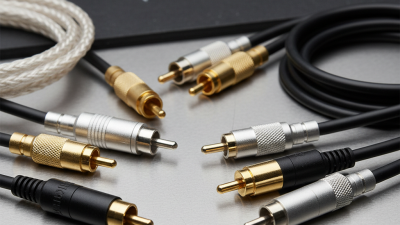
When selecting RCA ends for audio applications, it's essential to understand the various types available. There are typically three main types of RCA connectors: standard, gold-plated, and the more robust locking RCA ends. Standard connectors are widely used and provide basic functionality. They can transmit audio effectively for most situations, which makes them a suitable choice for casual listeners.
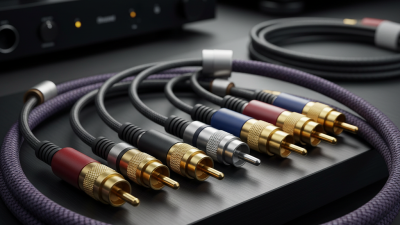
Gold-plated RCA ends are known for superior conductivity. The gold plating resists corrosion and ensures a clean signal. This is particularly beneficial for high-end audio systems, where sound quality is paramount. However, these connectors can be more expensive. Locking RCA ends, on the other hand, offer added security during use. They prevent accidental disconnections, making them ideal for professional settings or live performances. Yet, they might be a bit challenging to handle for some.
Choosing the right RCA end depends largely on your specific audio needs. Some may prefer the simplicity of standard connectors, while others may wish to invest in gold-plated options for improved sound clarity. Balancing cost and functionality is vital. It's not uncommon to find yourself in situations where the choice doesn’t meet expectations. This often requires reevaluation of future purchases. Understanding your needs ensures better decision-making in the long run.
Types of RCA Ends and Their Specific Uses
Factors to Consider When Selecting RCA Ends
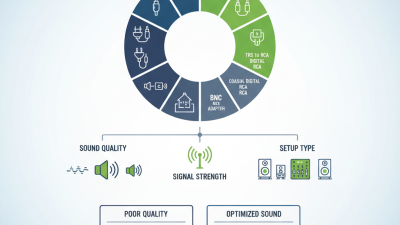
When selecting RCA ends for audio needs, several factors come into play. One major consideration is the type of audio equipment you have. Check the specifications of your devices. They might specify the required RCA ends. Different devices can impact the signal strength and quality.
Another important factor is the connector material. Choose connectors that use high-quality materials to ensure durability and a reliable connection. Gold-plated connectors tend to prevent oxidation. This enhances the lifespan of the connectors, ensuring consistent audio performance.
When you have multiple setups, consider color coding your RCA ends. This makes it easier to identify connections. Efficiency in setup saves time and reduces errors. Reflect on your needs often. Equipment and use cases can change, and adapting may require reevaluating your RCA choices.
Matching RCA Ends to Your Audio Equipment
Choosing the right RCA ends for your audio equipment can directly affect sound quality. RCA connectors come in various shapes and sizes. Understanding your audio system is key to making the right choice. Look at the connectors on your devices; match them to ensure compatibility. Color-coding is standard, but always double-check.
When selecting RCA ends, consider the type of audio signals. For example, composite connectors carry video signals, while stereo connectors focus on audio. Opt for connectors that suit your setup. A quality RCA end ensures a secure connection and minimizes interference. Sometimes, the cheapest option can lead to issues. Aim for a balance between cost and reliability.
Durability is another factor. Look for connectors made from high-quality materials. They should withstand regular use without degrading. Consider how often you’ll plug and unplug your cables. If you’re switching frequently, invest in robust ends. Remember, not all RCA ends are created equal. A poor choice may result in frustrating audio dropouts or poor sound quality. Reflect on your purchase regularly and adapt as your audio needs evolve.
How to Choose the Right RCA Ends for Your Audio Needs? - Matching RCA Ends to Your Audio Equipment
| Audio Equipment Type |
Recommended RCA End Type |
Common Use Case |
Connector Quality |
| Home Theater System |
Male to Male RCA |
Connecting AV Receiver to Speakers |
High Quality |
| Professional Audio Mixer |
Balanced RCA |
Minimizing Noise in Recordings |
Premium Quality |
| Gaming Console |
Composite RCA |
Connecting to Older TVs |
Standard Quality |
| Vinyl Record Player |
Shielded RCA |
Connection to Amplifier |
High End Quality |
| Computer Audio Interface |
Male to Female RCA |
Connecting Computer to Speakers |
Good Quality |
Installation Tips for Optimal Audio Performance
When installing RCA connectors, ensuring optimal audio performance requires attention to detail. The quality of solder joints plays a critical role in signal integrity. Poorly soldered connections might introduce noise and distortion. A report from the Audio Engineering Society indicates that a 1% increase in connectors’ quality can noticeably enhance audio clarity.
Choosing the right cable length is essential, too. Longer cables can lead to signal loss. According to data from the International Society of Acoustic Engineering, signal degradation becomes significant after 25 feet. Keeping your RCA cables as short as practical ensures better sound fidelity. Additionally, maintaining good shielding prevents interference from external sources.
It's worth noting that the choice of connectors impacts overall performance. Connectors with gold plating reduce oxidation, ensuring a clearer signal. However, they may be more expensive. Reflecting on your budget and audio needs is crucial. Are the benefits of high-end connectors worth the potential cost? Each setup is unique, and evaluating your priorities can guide you toward the best choice for your audio experience.