


Optimizing Stage Rigging with Low-Weight Flat Cables: A Case Study for Event Managers
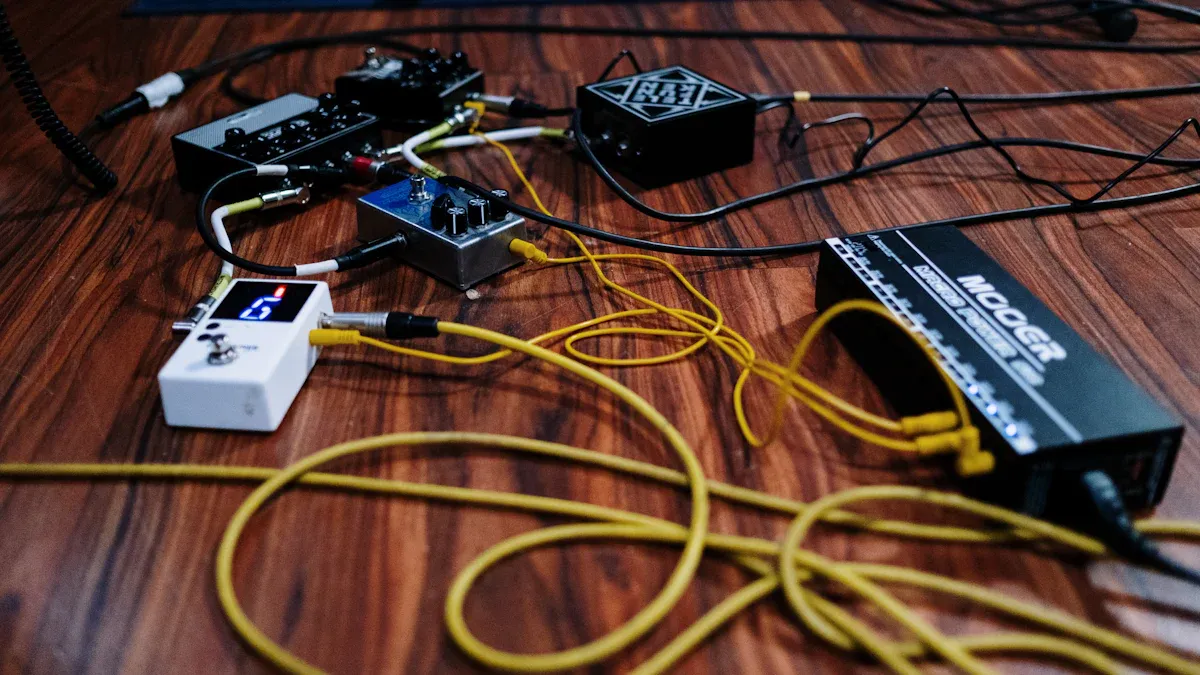
Stage rigging often involves intricate setups, heavy equipment, and complex logistics. Low-weight flat cables simplify this process by offering a lightweight and flexible alternative to traditional wiring systems. Their design reduces strain on rigging structures, minimizes safety hazards, and streamlines setup. Event managers benefit from easier handling, faster assembly, and reduced labor costs. Whether using an XLR to type C audio cable for high-quality sound, an XLR to XLR cable for reliable audio connections, or a flat cable for efficient power distribution, these innovations ensure smooth operations. Reliable options like an RCA cable or a headphone cable further enhance performance by providing robust connections.
Key Takeaways
- Lightweight flat cables make stage setups quicker and less heavy.
- Flat cables improve safety by lowering stress on stage equipment.
- They also reduce accident risks during events.
- Using flat cables saves money on transport and worker costs.
- Event managers can use saved money for other important needs.
- Flat cables stay neat, don’t tangle, and are easy to manage.
- Working with trusted suppliers like NINGBO JINGYI ELECTRONIC Co., LTD. gives access to good-quality flat cables for events.
Challenges in Traditional Stage Rigging
Weight and Bulkiness of Conventional Cables
Traditional stage rigging often relies on heavy, round cables that add significant weight to the overall setup. These cables are not only cumbersome to handle but also require additional manpower for transportation and installation. Their bulkiness can lead to tangled wires, increasing the time needed for setup and dismantling. Event managers frequently face delays due to the inefficiency of managing such equipment.
Moreover, the added weight places unnecessary strain on rigging structures, which can compromise their stability. This issue becomes particularly critical in large-scale events where multiple cables are used simultaneously. Lightweight alternatives, such as flat cables, eliminate these challenges by offering a more streamlined and manageable solution.
Safety Risks Associated with Heavy Equipment
The use of heavy equipment in stage rigging introduces significant safety risks. Improper handling or inadequate planning can lead to accidents, endangering both crew members and performers. Effective planning is essential to mitigate these risks. It helps identify the necessary tools, safety gear, and training required for a safe setup process.
Safety Statistics:
| Statistic | Description |
|-----------|-------------|
| 39% | Projects fail due to lack of planning. |
| 2nd | Transportation incidents are the second leading cause of work-related deaths in construction. |
Proper loading techniques, regular equipment maintenance, and clear communication among team members are critical to ensuring safety. Lightweight flat cables reduce the risk of injuries by minimizing the physical strain on workers and lowering the chances of equipment failure.
Logistical Challenges in Transport and Setup
Transporting traditional rigging equipment often requires specialized vehicles, such as cranes or hydraulic trailers, which complicates logistics. Strict safety protocols must be followed during transport and setup to prevent injuries and equipment damage. Additionally, environmental factors like wind and rain can disrupt the process, further delaying event preparation.
- Specialized Equipment: Cranes and flatbeds are often necessary for moving heavy rigging components.
- Safety Measures: Teams must adhere to strict protocols to avoid accidents.
- Environmental Considerations: Weather conditions can impact the performance and safety of traditional rigging systems.
Flat cables simplify logistics by reducing the need for heavy machinery and enabling faster, safer setups, even in challenging environments.
Advantages of Using Flat Cables in Stage Rigging
Lightweight Design for Easier Handling
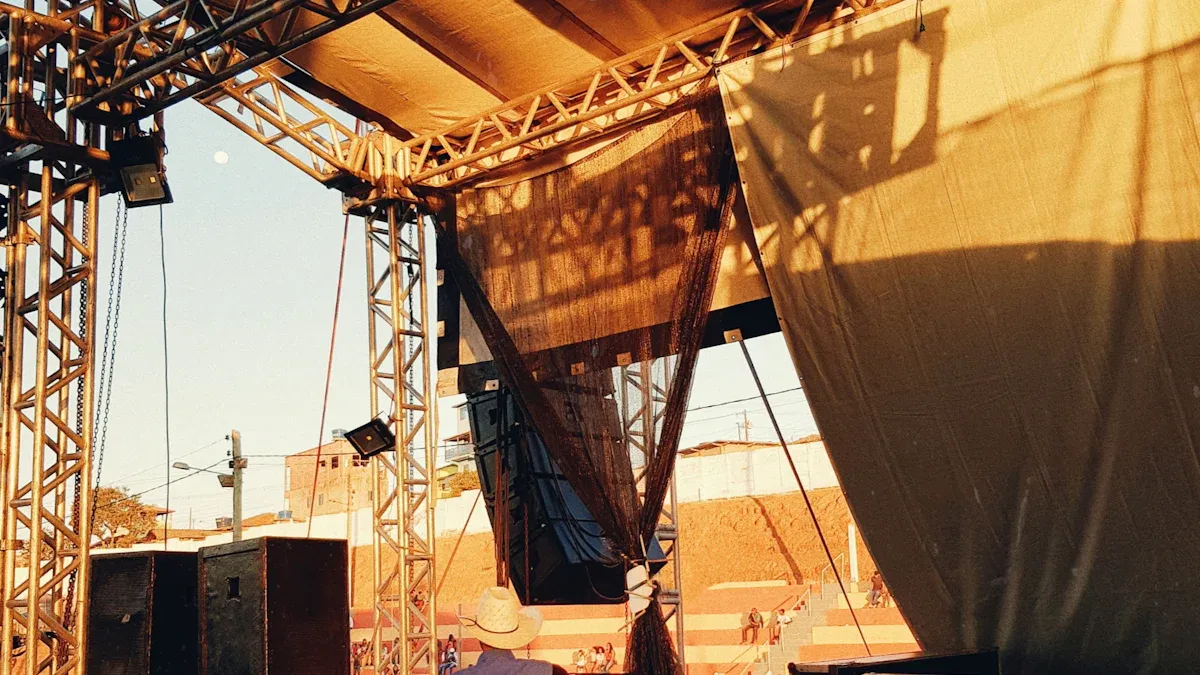
Flat cables offer a lightweight alternative to traditional round cables, making them significantly easier to handle during stage rigging. Their slim and compact design reduces the physical strain on crew members, enabling faster and more efficient setups. Unlike bulky round cables, flat cables minimize tangling, which simplifies cable management and reduces setup time. This streamlined handling process allows event managers to allocate resources more effectively, ensuring that other critical aspects of the event receive adequate attention.
The lightweight nature of flat cables also reduces the need for heavy lifting equipment during transportation and installation. This benefit becomes particularly valuable in venues with limited access or challenging layouts. By eliminating the logistical hurdles associated with heavy cables, flat cables contribute to a smoother and more organized workflow.
Enhanced Safety and Reduced Risk of Equipment Failure
Safety is a top priority in stage rigging, and flat cables play a crucial role in minimizing risks. Their lightweight design reduces the strain on rigging structures, lowering the likelihood of structural failures. Additionally, flat cables are less prone to tangling and kinking, which can compromise the integrity of traditional round cables. This durability ensures consistent performance throughout the event, reducing the risk of unexpected equipment malfunctions.
John Mitchell, an IT manager, highlighted the organizational benefits of flat cables in a professional setting. He noted that their streamlined design reduced clutter and improved airflow, which not only enhanced energy efficiency but also contributed to a safer working environment. In stage rigging, these advantages translate to fewer tripping hazards and a more secure setup for performers and crew members.
Flat cables also support better airflow around equipment, preventing overheating and extending the lifespan of connected devices. This feature is particularly beneficial in high-energy environments like concerts or large-scale productions, where equipment reliability is critical.
Cost Savings in Transportation and Labor
Flat cables provide significant cost savings by reducing transportation and labor expenses. Their lightweight and compact design allows for more efficient packing, which lowers shipping costs. Event managers can transport more equipment in fewer trips, saving both time and money. The reduced need for specialized vehicles, such as cranes or hydraulic trailers, further contributes to cost efficiency.
Labor costs also decrease with the use of flat cables. Their easy handling and simplified installation process reduce the time and manpower required for setup and dismantling. This efficiency enables event managers to optimize their budgets and allocate resources to other essential areas, such as lighting, sound, or stage design.
The environmental benefits of flat cables also contribute to long-term cost savings. Their durability and reduced replacement needs lower the overall carbon footprint of stage rigging operations. In large-scale events, these advantages align with sustainability goals while maintaining high performance standards.
Improved Organization and Workflow Efficiency
Efficient organization is essential for successful stage rigging, especially in high-pressure event environments. Flat cables contribute significantly to improving workflow by offering a design that simplifies cable management and enhances overall system clarity. Their streamlined structure allows event teams to arrange cables neatly, reducing clutter and confusion during setup and operation.
Flat cables are easier to label and identify compared to traditional round cables. This feature minimizes the time spent searching for specific connections, enabling technicians to focus on other critical tasks. For instance, during a live concert, quick identification of audio or power lines can prevent delays and ensure seamless performance transitions.
Tip: Use color-coded flat cables to further enhance organization and speed up troubleshooting during events.
The compact design of flat cables also optimizes space utilization. In venues with limited backstage areas, their slim profile allows for better arrangement of equipment, leaving more room for other essential components. This advantage becomes particularly valuable in large-scale productions where multiple systems operate simultaneously.
Additionally, flat cables reduce the risk of tangling, which is a common issue with traditional round cables. Tangled wires not only slow down the setup process but also increase the likelihood of damage to the cables. By eliminating this problem, flat cables ensure a smoother workflow and extend the lifespan of the equipment.
Event managers also benefit from the flexibility of flat cables when planning layouts. Their ability to bend and fit into tight spaces makes them ideal for complex stage designs. This adaptability ensures that the rigging system aligns perfectly with the creative vision of the event, without compromising on safety or efficiency.
Case Study: Real-World Benefits of Low-Weight Flat Cables
Event Overview and Initial Challenges
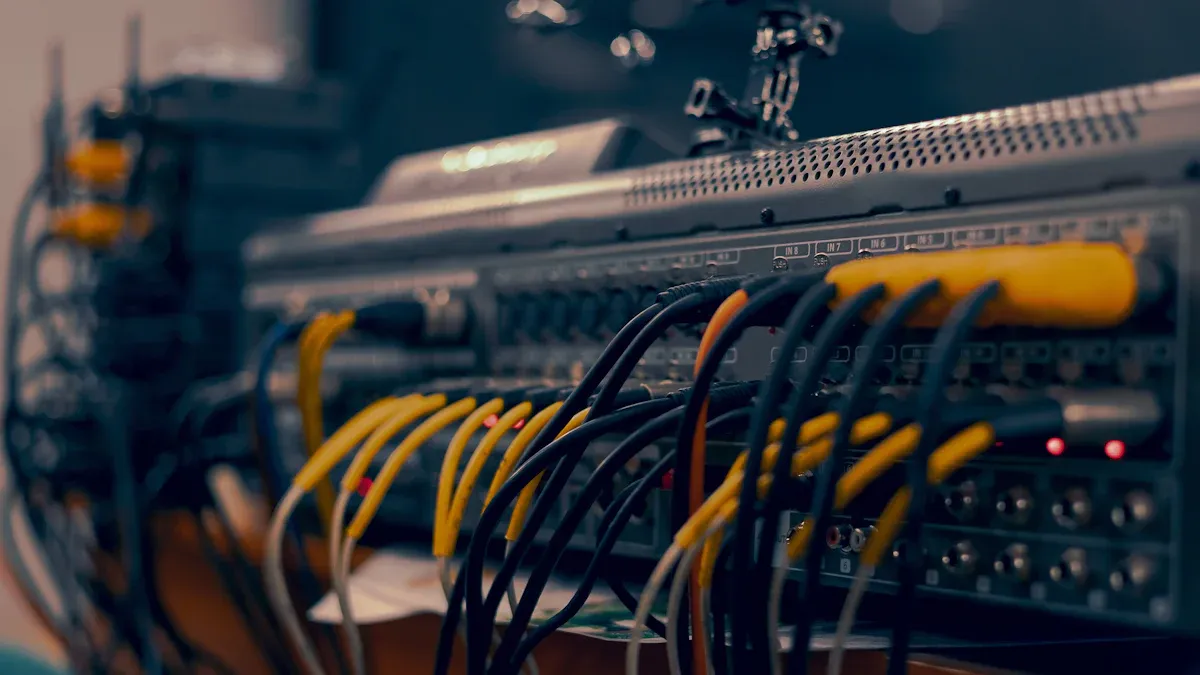
A large-scale music festival in downtown Chicago faced significant logistical hurdles during its planning phase. The event required an elaborate stage rigging setup to support lighting, sound systems, and video displays for multiple performances. Traditional round cables added excessive weight to the rigging structures, increasing the risk of equipment failure. Transporting these bulky cables also posed challenges due to limited access to the venue and tight deadlines.
The event organizers identified several critical issues:
- Safety Concerns: Heavy cables strained rigging structures, raising the risk of accidents.
- Time Constraints: Complex cable management delayed setup and testing.
- Budget Limitations: High transportation costs and labor expenses threatened to exceed the allocated budget.
These challenges underscored the need for a more efficient solution to streamline operations without compromising safety or performance.
Implementation of Flat Cables in Rigging Systems
The organizers partnered with NINGBO JINGYI ELECTRONIC Co., LTD., a trusted supplier of flat cables, to address these challenges. The team replaced traditional round cables with lightweight flat cables for power distribution, audio connections, and video signal transmission. The flat cables' slim design allowed for easier handling and faster installation, reducing the time required for setup by nearly 30%.
The implementation process involved:
- Strategic Planning: Technicians mapped out the rigging layout to optimize cable placement.
- Training Sessions: Crew members received hands-on training to familiarize themselves with the new cables.
- Testing and Validation: Engineers conducted rigorous tests to ensure the cables met performance standards.
Note: The flat cables' flexibility enabled them to fit seamlessly into tight spaces, accommodating the festival's complex stage design.
Results: Efficiency, Safety, and Cost Improvements
The adoption of flat cables delivered remarkable results across multiple areas:
- Efficiency: The streamlined design reduced setup time, allowing the crew to focus on other critical tasks. The flat cables' organization minimized tangling, improving workflow and troubleshooting during the event.
- Safety: The lightweight cables reduced strain on rigging structures, lowering the risk of accidents. Their durability ensured consistent performance, eliminating concerns about equipment failure.
- Cost Savings: Transportation expenses dropped significantly due to the compact nature of flat cables. Labor costs also decreased as fewer crew members were needed for installation and dismantling.
The festival concluded successfully, with organizers praising the flat cables for their role in enhancing operational efficiency and safety. NINGBO JINGYI ELECTRONIC Co., LTD.'s high-quality flat cables proved to be a game-changer, setting a new standard for stage rigging in large-scale events.
Role of NINGBO JINGYI ELECTRONIC Co., LTD. in Providing Flat Cables
NINGBO JINGYI ELECTRONIC Co., LTD. has established itself as a trusted leader in the production of flat cables, offering innovative solutions tailored to the needs of event managers and stage rigging professionals. The company’s commitment to quality, reliability, and customer satisfaction has made it a preferred choice for large-scale events and productions worldwide.
Expertise in Flat Cable Manufacturing
NINGBO JINGYI ELECTRONIC Co., LTD. specializes in designing and manufacturing flat cables that meet the highest industry standards. Their cables are engineered to deliver exceptional performance, combining lightweight construction with durability. This ensures that the cables can withstand the demands of complex stage setups while maintaining their integrity over time. The company employs advanced manufacturing techniques and rigorous quality control processes to guarantee consistent results.
Note: Each flat cable undergoes extensive testing to ensure it meets safety and performance requirements, making it a dependable choice for critical applications.
Tailored Solutions for Diverse Needs
The company offers a wide range of flat cables designed to address various stage rigging challenges. Whether the requirement involves power distribution, audio connections, or video signal transmission, NINGBO JINGYI ELECTRONIC Co., LTD. provides customized solutions to match specific event needs. Their ability to adapt to unique project requirements has earned them a reputation for flexibility and innovation.
Commitment to Sustainability
In addition to performance, NINGBO JINGYI ELECTRONIC Co., LTD. prioritizes sustainability in its operations. The flat cables are designed to be long-lasting, reducing the need for frequent replacements and minimizing environmental impact. By choosing these cables, event managers not only enhance efficiency but also contribute to eco-friendly practices.
Exceptional Customer Support
The company’s dedication to customer service sets it apart from competitors. A team of knowledgeable professionals assists clients in selecting the right flat cables for their projects. They also provide guidance on installation and maintenance, ensuring a seamless experience from start to finish.
Tip: Event managers can consult with NINGBO JINGYI ELECTRONIC Co., LTD. to receive expert advice on optimizing their stage rigging systems with flat cables.
By consistently delivering high-quality products and exceptional service, NINGBO JINGYI ELECTRONIC Co., LTD. has become a cornerstone in the stage rigging industry. Their flat cables not only simplify logistics but also enhance safety and efficiency, making them an invaluable asset for event managers.
Practical Tips for Event Managers
Selecting the Right Flat Cables for Your Event
Choosing the appropriate flat cable is crucial for ensuring a successful event. Event managers should begin by assessing the specific requirements of their stage rigging setup. Factors such as cable length, load capacity, and compatibility with existing equipment play a significant role in the selection process. For instance, a large-scale concert may require flat cables capable of handling high power loads, while a smaller corporate event might prioritize compact and lightweight options.
Consulting with technical experts can provide valuable insights into the best cable types for different applications. Event managers should also consider the environment where the cables will be used. Outdoor events may demand weather-resistant cables, while indoor setups might focus on flexibility and ease of installation. By carefully evaluating these factors, managers can ensure that their chosen flat cable meets both performance and safety standards.
Best Practices for Integrating Flat Cables into Stage Rigging
Proper integration of flat cables into stage rigging systems enhances efficiency and safety. Event managers should start by creating a detailed layout plan that outlines the placement of all cables. This plan helps prevent overlaps and ensures a clean, organized setup. Labeling each cable with its function and destination further simplifies the process, reducing the risk of errors during installation.
Using cable management tools, such as clips or ties, can secure flat cables in place and prevent tangling. These tools also protect the cables from damage caused by movement or external forces. Regular inspections during the event ensure that all connections remain intact and functional. Training crew members on the correct handling and installation techniques minimizes the likelihood of accidents or equipment failure.
Partnering with Reliable Suppliers for Quality Assurance
Collaborating with a trusted supplier guarantees access to high-quality flat cables that meet industry standards. Reliable suppliers, such as NINGBO JINGYI ELECTRONIC Co., LTD., offer a wide range of options tailored to various event needs. Their expertise in manufacturing ensures that the cables deliver consistent performance under demanding conditions.
Event managers should prioritize suppliers with a proven track record of reliability and customer satisfaction. Reading reviews, requesting product samples, and seeking recommendations from industry peers can help identify the best partners. A dependable supplier not only provides superior products but also offers guidance on installation and maintenance, ensuring a seamless experience from start to finish.
Maintenance and Storage Tips for Flat Cables
Proper maintenance and storage of flat cables ensure their longevity and consistent performance during events. Event managers can follow these practical tips to preserve the quality of their cables and minimize the risk of damage.
- Regular Cleaning: After each use, clean the cables to remove dirt, dust, or debris. Pay close attention to the connectors, as these areas are prone to wear and tear. Use a soft cloth and mild soap to clean the connectors, ensuring no residue remains.
- Damage Inspection: Inspect the cables thoroughly for any visible damage, such as nicks, tears, or frayed edges. Damaged connectors should be treated with care. Applying a thin layer of Krytox grease can prevent drying and cracking, extending the lifespan of the connectors.
- Moisture Protection: For flying lead cables, wrap exposed ends with electrical tape to shield them from moisture. This precaution is especially important for outdoor events where cables may encounter humid or wet conditions.
Tip: Always test the cables after cleaning to confirm they function correctly before storage.
When storing flat cables, proper organization and environmental considerations are essential.
- Storage Environment: Store cables in airtight containers to protect them from dust and humidity. Avoid exposing them to direct sunlight, as prolonged UV exposure can weaken the material.
- Use of Storage Caps: If the cables are not connected to equipment, use storage caps to safeguard the connectors. This practice prevents dirt accumulation and reduces the risk of accidental damage.
- Neat Arrangement: Coil the cables neatly without over-tightening to avoid stress on the internal wiring. Label each cable for easy identification during future use.
By implementing these maintenance and storage practices, event managers can ensure their flat cables remain in optimal condition, ready to deliver reliable performance for every event.
Low-weight flat cables revolutionize stage rigging by enhancing efficiency, safety, and cost management. Their lightweight design simplifies handling, reduces risks, and streamlines workflows, making them indispensable for modern event setups. Event managers gain operational advantages by adopting these cables, ensuring smoother logistics and improved performance outcomes.
Solutions from NINGBO JINGYI ELECTRONIC Co., LTD. provide reliable flat cable options tailored to diverse event needs. Their expertise empowers managers to optimize rigging systems while maintaining high standards of safety and quality.
FAQ
1. What are flat cables, and how do they differ from traditional round cables?
Flat cables feature a slim, rectangular design that reduces weight and bulk. Unlike traditional round cables, they offer better flexibility, easier handling, and improved organization. Their lightweight structure minimizes strain on rigging systems, making them ideal for stage setups.
2. Are flat cables suitable for outdoor events?
Yes, flat cables designed for outdoor use often include weather-resistant materials. Event managers should select cables with protective coatings to withstand moisture, UV exposure, and temperature changes. Consulting with a reliable supplier ensures the right choice for outdoor applications.
3. How do flat cables improve safety during stage rigging?
Flat cables reduce safety risks by minimizing physical strain on workers and lowering the chances of equipment failure. Their lightweight design decreases the load on rigging structures, while their tangle-free nature prevents tripping hazards and ensures a secure setup.
4. Can flat cables handle high-power loads?
Yes, many flat cables are engineered to support high-power loads. Event managers should verify the cable's load capacity and compatibility with their equipment. Partnering with a trusted supplier like NINGBO JINGYI ELECTRONIC Co., LTD. ensures access to high-performance options.
5. How can event managers maintain flat cables for long-term use?
Regular cleaning, damage inspections, and proper storage extend the lifespan of flat cables. Store them in airtight containers, avoid direct sunlight, and use storage caps for connectors. Labeling and coiling cables neatly also prevent wear and tear, ensuring reliable performance.