


Best Guitar Stand Size Guide 2025: Dimensions, Safety & OEM Solutions for Every Guitar Type
Key Takeaways
- “Guitar stand size” is more than height. It also includes vertical clearance, yoke width, cradle depth and base radius. Together these decide whether a stand truly fits your guitar and room.
- Most “universal” stands are built around standard electric guitars. Offsets (Jazzmaster/Jaguar), deep acoustics, long-scale basses and headless guitars often push those stands beyond what they were designed for.
- Padding is as important as size. Some foams and rubbers can react with nitrocellulose finishes and leave marks on the neck or body over time.
- Ningbo Jingyi Electronic Co., Ltd. (Jingyi Audio) is an experienced OEM/ODM maker of guitar stands, stage stands and audio hardware, and can tune guitar stand dimensions and padding choices to match specific guitar types and markets.
- If you buy for OEM/ODM, giving clear info about guitar types, finish, budget and packaging turns “we need stands” into a concrete engineering brief.
When you search for guitar stand size, you’re usually not just hunting for random numbers. You want to know if a stand will hold your Strat, Jazzmaster, bass or headless guitar safely, in your space. Maybe you’ve already had a close call or a real accident. This guide walks through the key measurements behind guitar stand dimensions, how they relate to different guitar shapes, what can go wrong, and how a manufacturer like Jingyi Audio can build stands that actually match those needs at scale.
Quick Answer: What Is a “Standard” Guitar Stand Size?
For a typical single floor stand for electric or acoustic guitar, you’ll often see:
- An adjustable height that works for 24.75"–25.5" scale instruments
- A neck yoke wide enough for common electric/acoustic nut widths
- Lower support arms deep enough for solid-body guitars and many dreadnoughts
- A base radius large enough to stay steady in normal use
If you play offsets, jumbos, basses or headless guitars, you’re already outside that comfort zone and need to look more closely at the numbers.
Why Guitar Stand Size Matters More Than It Looks
A small accessory holding a big investment
A stand is easy to ignore when you’re choosing gear. It’s cheap, it’s simple, and most of the time it just sits there. But if it fails once, it can drop a guitar that costs ten, twenty or fifty times more than the stand.
Typical real-world problems players share online include:
- A Jazzmaster slowly twisting in an A-frame until it falls sideways
- A 5-string bass with the body almost touching the floor on a short stand
- A vintage nitro-finished guitar with a dull or sticky patch exactly where it rested on the stand padding
None of these stories are really about “tone” or “feel”. They come down to stand size, shape and materials not matching the guitar.
Three questions hiding behind “guitar stand dimensions”
When someone types “guitar stand size” or “dimensions of guitar stand”, they usually care about three things:
- Will it fit my guitar?
– Does the height, yoke width and cradle shape suit the instrument? - Will it fit my room or stage?
– Does the base take up too much space, or is it so small that a small bump sends everything over? - Will it treat the finish gently?
– Is the padding okay for nitro, or should I add a cloth barrier?
Good content, and good products, try to answer all three.
What “Guitar Stand Size” Really Means
Four basic measurements that matter
When you look at guitar stand size in a more practical way, four measurements show up again and again:
- Vertical height / clearance
- Distance from the floor or lower cradle to the neck support point
- Important for basses, baritones and guitars with long headstocks
- Inside width of the neck holder
- Needs to match nut width: narrow electrics, wider classicals, 7-strings, etc.
- How long the lower arms are, and how they’re angled
- Controls how the body sits in the stand; shallow arms and deep bodies are a bad mix
- How far the legs or base extend from the center
- Wider base usually means more stability but uses more floor space
Different guitars push these numbers in different directions
- Strat/Tele-style electrics – thin bodies, standard scale, fairly forgiving
- Les Pauls and other heavy singlecuts – shorter scale but more weight on a smaller footprint
- Dreadnought and jumbo acoustics – deeper and wider bodies
- 4/5-string basses – longer necks, often heavier bodies, larger headstocks
- Offsets (Jazzmaster/Jaguar) – shifted waist and center of gravity
- Headless guitars – no headstock to hang from, narrow body and tuners at the bridge on some designs
A stand that feels “universal” with a Strat may behave very differently when you put a Jazzmaster, jumbo or headless on it.
Standard Guitar Stand Sizes for “Normal” Use
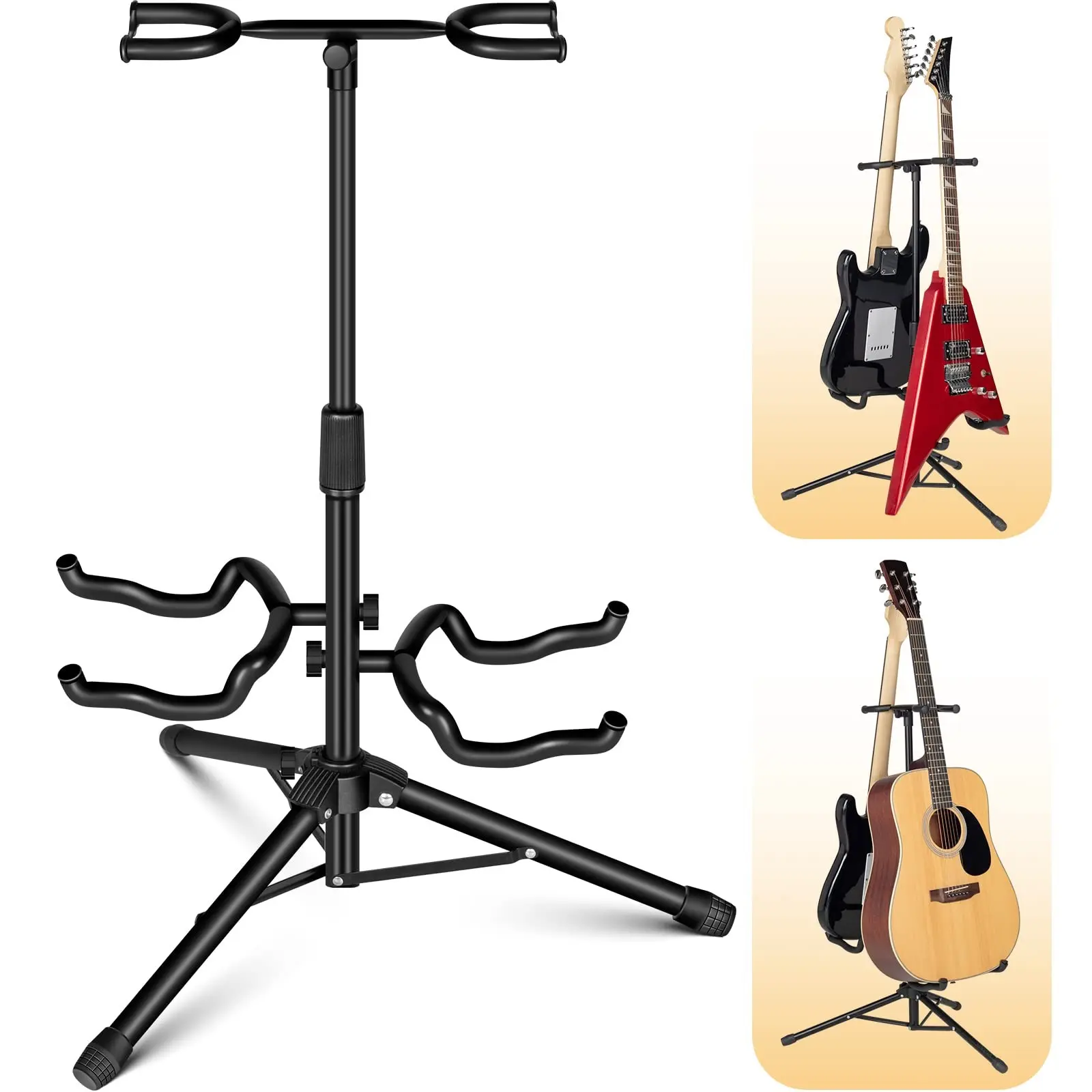
Tripod stands for electric and acoustic guitars
Most big-box shops and online stores push tripod stands as the default:
- They fold easily
- They can adjust up and down
- They fit a wide range of solid-body shapes
A typical tripod guitar stand offers:
- Enough height to hang a standard electric without the body touching the floor
- A yoke sized for common electric/acoustic neck widths
- Cradle arms long enough for solid-bodies and many dreadnoughts
- A three-legged base with a moderate radius for decent stability
Jingyi Audio’s slim guitar stand models follow that general idea but are designed to use less floor space while still holding the guitar securely.
Guitar stand size for acoustic and jumbo guitars
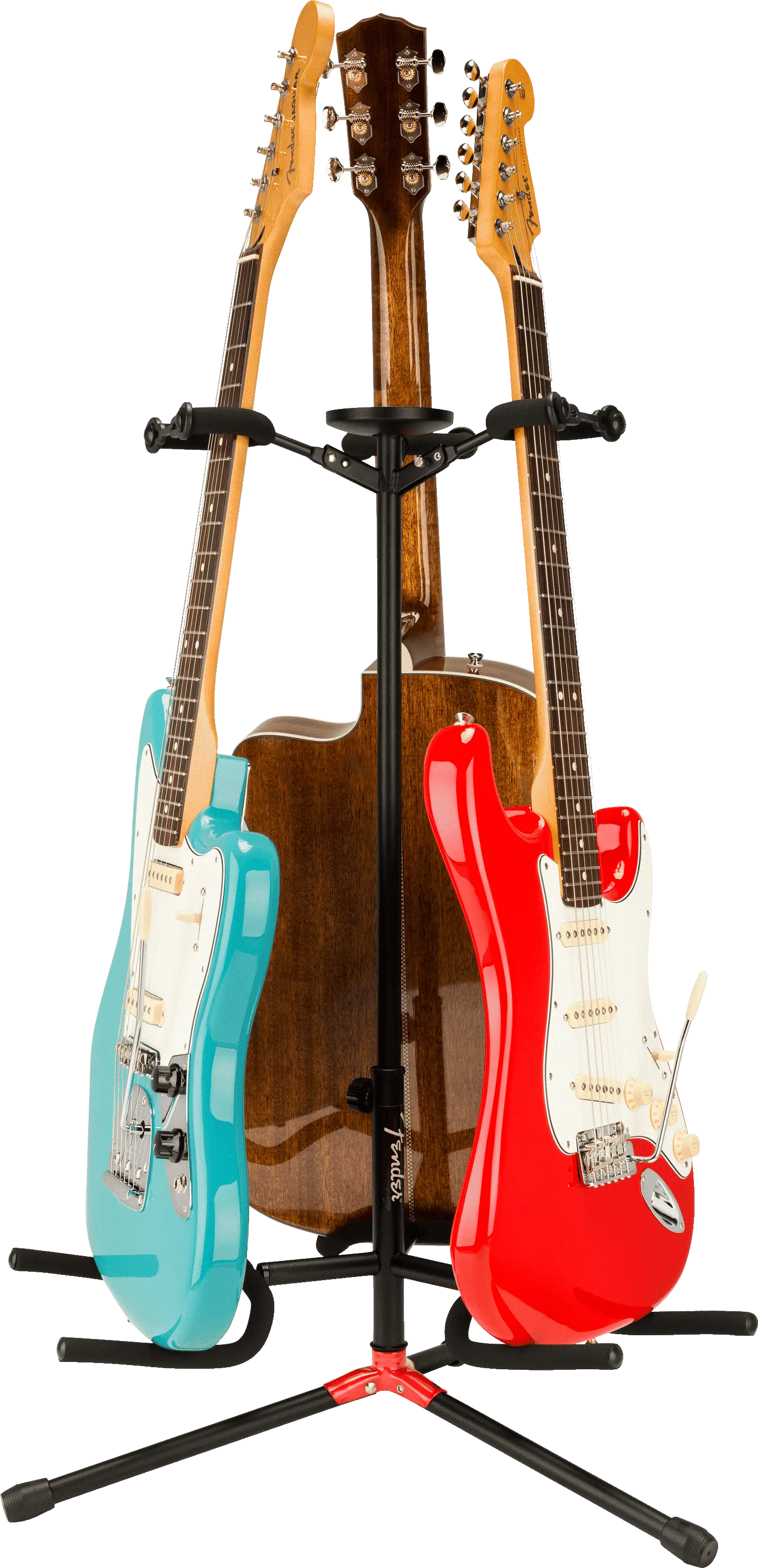
Acoustic and jumbo guitars bring one main problem: depth.
- A common dreadnought or jumbo can be roughly twice as thick as a Strat.
- Short cradle arms only catch the lower edge of the back, which pulls the guitar forward.
For these guitars, look for:
- Longer cradle arms that support more of the back
- A taller backrest so the upper bout leans on something solid
- A base with enough spread to handle the extra weight
If you have more than one acoustic, this is also where multi-guitar racks can get tricky: the slot spacing that works fine for thin electrics can be too tight for several big acoustics sitting side by side.
Guitar stand dimensions for bass and extended-scale instruments
Bass guitars stretch the numbers in other ways:
- They need more vertical clearance so the body doesn’t sit on the floor
- They put more load on the stand, especially if someone bumps it or steps on a cable
A good bass stand or “high-frame” stand will usually have:
- A higher maximum setting on the center tube
- Stronger tubing and joints
- A wider base radius than a basic budget stand
If your bass or baritone leans at a strange angle, or you have to tilt it to avoid grounding out on the floor, that’s a hint the stand’s height range isn’t right for your instrument.
Where Standard Guitar Stand Dimensions Break Down
Offset guitars: Jazzmasters and friends
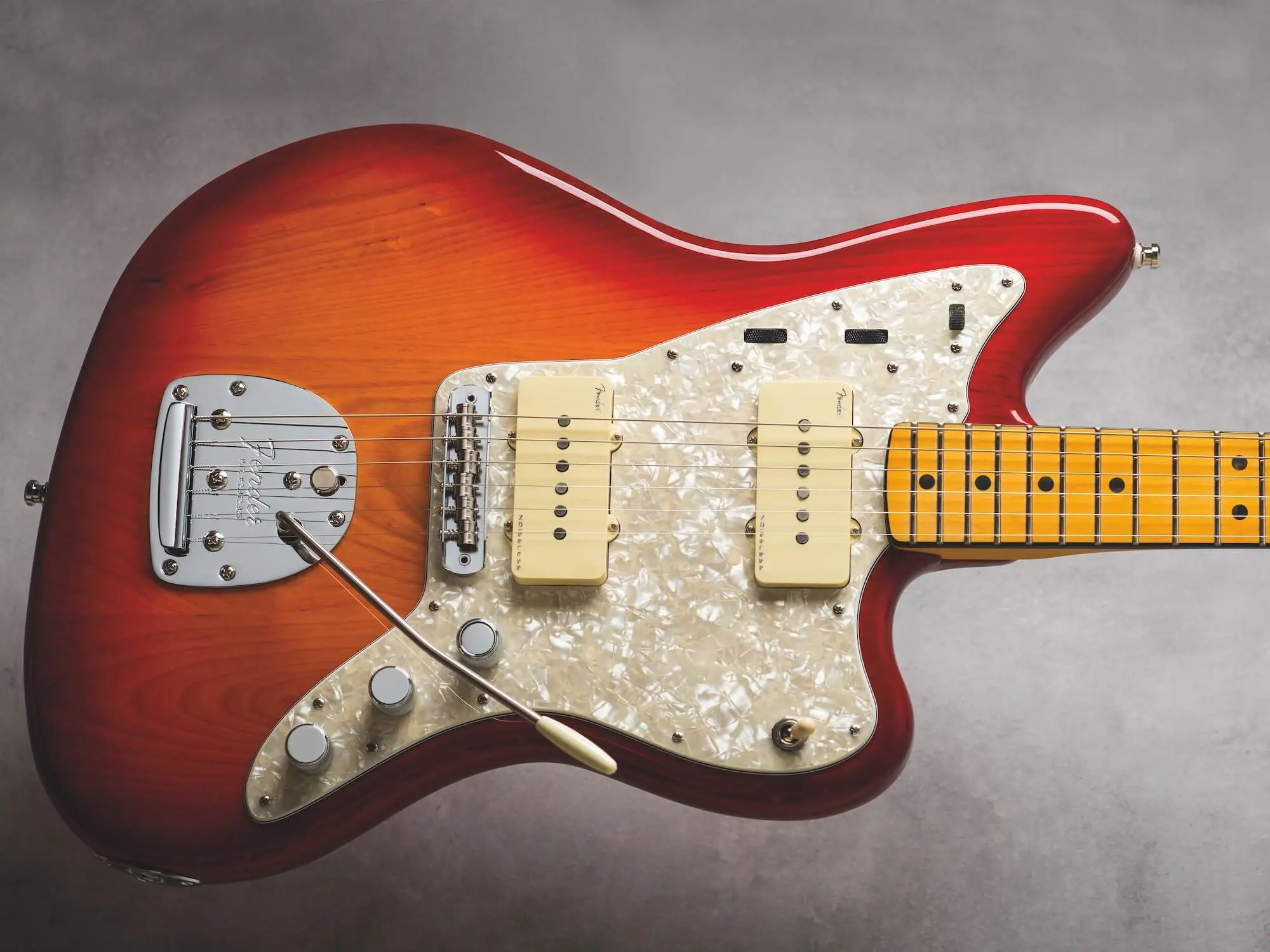
Offsets look amazing, but their body shape is awkward for many “universal” stands:
- The lower bout often rests on only one cradle arm
- The other side either sits higher or doesn’t touch at all
- The guitar slowly twists under its own weight and can slip off
Offset players often switch to:
- Hanging stands that grip the neck and ignore the body shape, or
- Stands with angled or shaped cradles that match the offset lower bout better
If you’ve ever seen an offset slowly lean until it hits a wall or the floor, you know this is not a rare edge case.
Headless guitar stand size
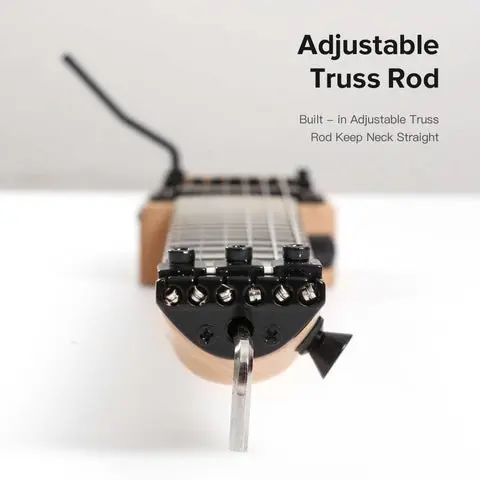
Headless guitars flip the usual stand logic:
- There’s no headstock to hang in a standard yoke
- On some models, the body is so narrow it can fall between cradle arms
- Many designs put the tuners at the bridge, so deep cradle arms can press straight onto tuner hardware
For headless guitars, a better option is:
- A body-support stand with adjustable cradle width
- Padding placed so that the weight rests on solid body areas, not on tuners
If you own both headless and “normal” guitars, you may need to mix stand types rather than expecting one stand to suit all of them.
Deep-body acoustics and 12-strings
Jumbo acoustics and 12-string guitars often have:
- More depth
- Wide lower bouts
- Extra weight from extra hardware
Short cradle arms and small bases are not friends with these guitars. Look for acoustic-specific stands or jumbo-rated stands with clearly stated cradle depth and higher backrests.
Multi-guitar racks: the spacing trap
Multi-guitar racks and furniture-style stands are great for keeping a collection in one place, but slot spacing is often optimistic:
- Specs may say “holds 5 guitars”, but that usually assumes thin electrics
- Throw in a couple of acoustics, angled headstocks, trem arms and cables, and you run out of room very quickly
When choosing or specifying rack guitar stand size, think in terms of real spacing:
- How far apart do your guitars sit when they’re actually on the rack, strung and ready to play?
- Do tuners, trem arms and jacks have clearance, or are they clashing?
If you run a studio or store, it can be smarter to design for “3 acoustic + 2 electric” properly than to chase a “7-guitar rack” label that only works on paper.
Padding and Finish: Nitro-Safe Matters as Much as Size
Why some padding leaves marks on nitro finishes
Nitrocellulose finishes on many high-end and vintage guitars never fully harden like thick modern poly finishes. Certain rubber and vinyl foams can slowly stick to, soften or stain nitro where they stay in contact for long periods.
Common signs:
- A cloudy or dull patch where the neck rested on the stand
- Slightly sticky feel on spots that touch padding
- Discoloration lines that match stand contact points
That’s why you’ll see stand buyers asking “Is this nitro safe?” as often as they ask about height.
Safer padding options and simple tricks
Better choices at the contact points include:
- EVA foam, which is widely used on modern stands and doesn’t rely on the same plasticizers as many cheap PVC foams
- Certain TPE blends, designed to be more stable
- Velveteen or felt-covered padding, which adds a fabric barrier
- Simple cotton or microfiber wraps that players add themselves around arms and yokes
For OEM projects, a factory like Jingyi Audio can match padding materials to the kind of guitars your customers own. For example, stands for a brand that sells a lot of nitro-finished instruments can ship with EVA or different coverings by default.
How Jingyi Audio Handles Guitar Stand Size for OEM/ODM
Jingyi Audio in a nutshell
Ningbo Jingyi Electronic Co., Ltd. is a manufacturer based in Ningbo, China. The company produces:
- Guitar and instrument stands
- Microphone, speaker and keyboard stands
- Audio connectors, plugs and cables for export to Europe, the US, Australia and other regions
Decades of work with overseas brands mean they’re used to turning rough ideas like “we need a stronger stand for bass” into clear drawings and production runs.
Engineering the size: tubes, height and base
From an engineering point of view, guitar stand size comes down to a few design choices:
- Tube diameter and wall thickness for strength
- Height range for the target instruments
- Base radius and leg layout for stability
- Cradle and yoke geometry for compatibility with different shapes
If you’re buying for OEM/ODM, you don’t have to accept the “default” setup. You can ask for targets, such as:
- Support for basses up to a certain weight with a minimum base radius
- Real spacing for mixed acoustic/electric racks
- A small folded size to fit a packaging requirement
Custom stand dimensions and features for brands
Using existing product families as a starting point (for example slim stands, high-frame stands or rack stands), Jingyi can adjust:
- Height range (for kids’ guitars, normal electrics, baritones or basses)
- Yoke width for your common nut widths
- Cradle depth and angle for offsets or acoustics
- Rack spacing for the mix of guitars your customers usually own
- Folded length and width to match your shipping and retail shelves
This is where guitar stand size becomes a dial you can turn, instead of a fixed thing you have to live with.
What OEM/ODM buyers should bring to the table
If you want a stand that fits your line of instruments, it helps to share:
- What kinds of guitars your customers use (Strat-style, offset, jumbo acoustic, 34"/35" bass, headless, etc.)
- Simple size ranges: scale length, body depth, nut width
- Whether you expect many nitro-finished instruments
- Packaging limits: how long and wide the stand can be when folded, and weight limits
- The price range and quality level you’re aiming for
That set of information is enough for a manufacturer like Jingyi Audio to suggest one or more guitar stand size options that actually match your guitars and your business.
Guitar Stand Size Charts & Quick Reference
Guitar type vs recommended stand size
|
Guitar Type |
Typical Geometry |
Common Issue on Generic Stands |
Recommended Stand Size / Type |
|
Strat / Tele |
25.5" scale, thin body |
Usually fine |
Standard tripod or A-frame, medium base radius |
|
Les Paul / Singlecut |
24.75" scale, heavier body |
Needs better stability |
Tripod with locking yoke and solid base |
|
Jazzmaster / Offset |
25.5" scale, offset waist |
Rotates or slips in cradle |
Hanging stand or offset-friendly cradle |
|
Dreadnought Acoustic |
25.5" scale, ~100–110 mm depth |
Leans forward, shallow arms |
Deeper cradle arms, taller backrest |
|
Jumbo / 12-String |
Deep, wide body |
Tipping and rack crowding |
Acoustic stand with extra depth, wider rack slots |
|
4-String Bass |
34" scale, long headstock |
Body near floor on short stands |
High-frame or bass-ready stand |
|
5-String Bass |
34–35" scale, heavy body |
Higher risk of tipping |
Taller stand with wider base |
|
Headless Guitar |
No headstock, narrow body |
Falls between arms, rests on tuners |
Body-support stand with adjustable cradle width |
Example OEM stand types and size focus
|
Stand Type |
Main Use Case |
Size Focus Points |
|
Slim Tripod Stand |
Home / small studio |
Compact base, decent height range, foldable |
|
High-Frame Stand |
Bass / extended-scale guitar |
Extra height, reinforced tubing, wider base radius |
|
Acoustic Floor Stand |
Dreadnought / jumbo |
Longer cradle arms, high backrest, nitro-friendly padding options |
|
3-Guitar Rack |
Mixed electric collection |
Slot spacing for solid-bodies, moderate depth |
|
3-Guitar Jumbo Rack |
Acoustic-heavy collection |
Wider spacing, deeper base, stronger support bar |
These tables are not strict rules, but they give you a quick way to think about guitar stand size in terms of real guitars and real rooms.
How to Pick the Right Guitar Stand Size (Simple Checklist)
Step 1: Measure your guitar
- Scale length
- Body depth
- Nut width and headstock width
- Any unusual shape (offset, V-shape, big trem, headless, etc.)
Step 2: Choose the right stand type for that guitar
- Standard electric → tripod or A-frame
- Offset → hanging stand or shaped cradle
- Deep acoustic / jumbo → long cradle arms + high backrest
- Bass / extended scale → taller stand + wider base
- Headless → body-support stand with adjustable cradle
Step 3: Check how much floor space you really have
- Small room: slim base
- Busy studio or stage: slightly bigger base and secure neck yoke
- Homes with pets or small kids: steady base is more important than tiny footprint
Step 4: Look at padding and finish
- Poly finish: most decent padding is okay
- Nitro finish: look for EVA or “nitro safe” claims, and still think about adding cotton wraps at contact points for peace of mind
FAQs About Guitar Stand Size, Safety & OEM Options
- What is a standard guitar stand size for electric guitar?
Most single tripod stands can handle 24.75"–25.5" scale electrics, with a neck yoke wide enough for common nut widths and enough height so the body doesn’t hit the floor. Check the actual numbers if your guitar has a long headstock or an unusual shape.
- What guitar stand size do I need for acoustic or jumbo guitars?
Look for longer cradle arms and a taller backrest. Deep bodies put more weight higher up, so they need more support and a stable base.
- Will a universal guitar stand work for a Jazzmaster or other offsets?
Sometimes it will, but many offset players find their guitars twist or slip in basic A-frames and simple cradles. A hanging stand or a stand with an offset-friendly cradle is usually a safer bet.
- How do I choose a guitar stand size for a headless guitar?
Pick a stand that holds the guitar by the body, not the neck. Adjustable cradle arms help, and you want the weight resting on solid body areas, not on tuners or fine hardware.
- Can a guitar stand damage a nitro finish even if the size is right?
Yes. Size and stability can be fine, but incompatible padding can still react with nitro over time. If you own nitro-finished guitars, look for EVA or nitro-friendly padding and consider adding a soft cloth barrier at contact points.
- What should OEM/ODM buyers prepare when asking for custom guitar stand sizes?
Have a simple list ready:
- Guitar types and rough size ranges
- Finish mix (poly only, or nitro in the mix)
- Preferred stand formats (single, high-frame, rack, slim)
- Packaging limits and target price band
With that, a manufacturer like Jingyi Audio can suggest stand sizes and structures that fit your instruments and your market.
Citations & Further Reading
- Better Music – Guitar Stands & Racks – Our giant review / mega-guide
https://www.bettermusic.com.au/blog/post/guitar-stands-review-guide - Bax Music – What’s the Best Guitar Stand for Me? | Buyer’s Guide
https://www.bax-shop.co.uk/buyers-guides/guitar-stands - Crafted Workshop – Build a DIY Guitar Stand Rack (Free Template)
https://craftedworkshop.com/blog/build-diy-guitar-stand-rack-free-template - Ningbo Jingyi Electronic Co., Ltd. – Company & Slim Guitar Stand Information
http://www.ningbo-jingyi.com
https://m.site_5615465d-0395-48c6-b01f-dc3d38213fc5/slim-guitar-stand/ - Guitar stand and hanger roundups (Guitar World, Gearank, MusicCritic)
https://www.guitarworld.com/features/best-guitar-stands-and-guitar-hangers
https://www.gearank.com/guides/guitar-stands
https://musiccritic.com/equipment/stands/best-guitar-stands/