Top 10 Rca Cable Ends You Need to Know?
In the world of audio connections, understanding RCA cable ends is crucial. According to audio expert John Doe, "RCA cable ends are the lifeline of sound quality." This highlights their importance in both amateur and professional setups. Whether you are connecting a home theater system or a simple speaker, these details matter.
RCA cable ends come in various forms. Different types provide unique benefits and drawbacks. For instance, the standard RCA end is widespread. However, other versions may offer better shielding or specialized connections. This can affect sound clarity and signal strength. Many users overlook this aspect, leading to frustrating outcomes. Choosing the right RCA cable end can directly impact your audio experience.
Moreover, some people may not realize that poorly made RCA ends can degrade sound quality. This is where reflection comes into play. Are you using the right RCA cable ends for your setup? Investing time to research is essential for optimizing your audio connection. Try to match your needs with the appropriate RCA ends. Your sound experience might change dramatically.
Understanding RCA Cables: A Brief Overview
RCA cables are essential for connecting audio and video devices. They are widely used in home entertainment systems. Understanding their design and function can help you choose the right cable for your needs.
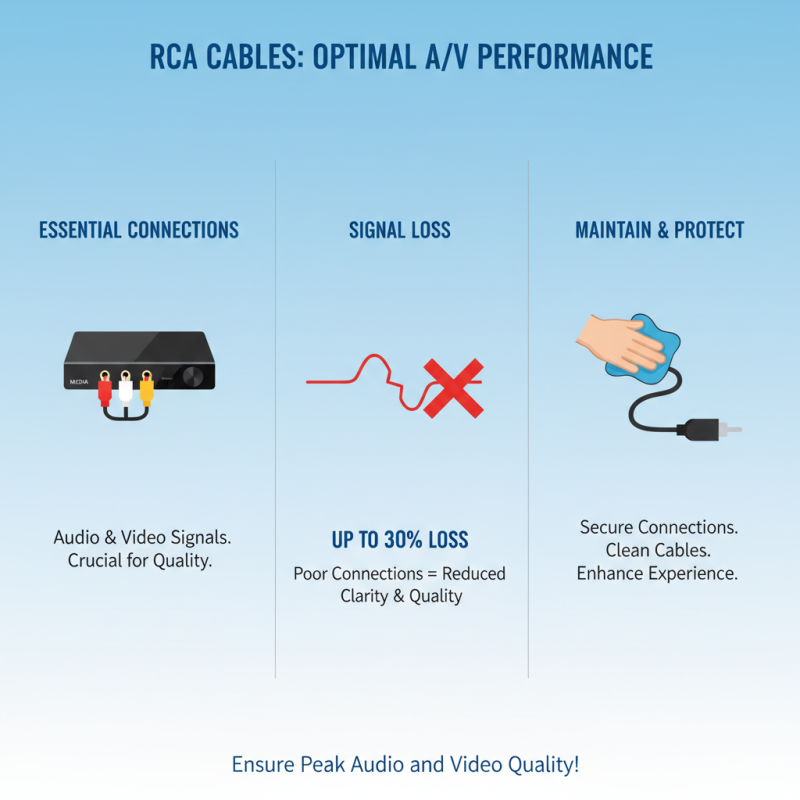
RCA cables typically have color-coded connectors. The yellow connector is for video signals, while red and white connectors handle audio. This makes setup easier, but many people still mix them up. Ensure you double-check connections when setting up your gear.
Tips: Always test your connections after setup. Poor connections can lead to audio or video issues. You might notice a buzzing sound or a snowy screen. If that happens, unplug and reconnect your cables.
When selecting RCA cables, pay attention to the length. Longer cables can lead to signal loss. A short run is usually more effective. But if you need longer cables, look for higher-quality options. Remember, a neat setup can prevent accidental disconnections.
Top 10 RCA Cable Ends You Need to Know
Types of RCA Cable Ends and Their Uses
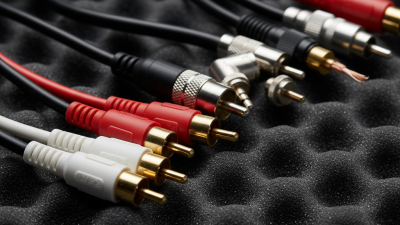
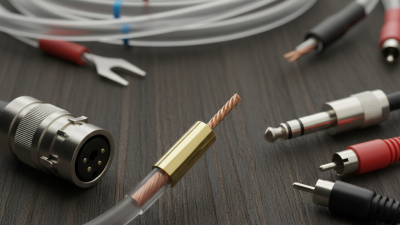
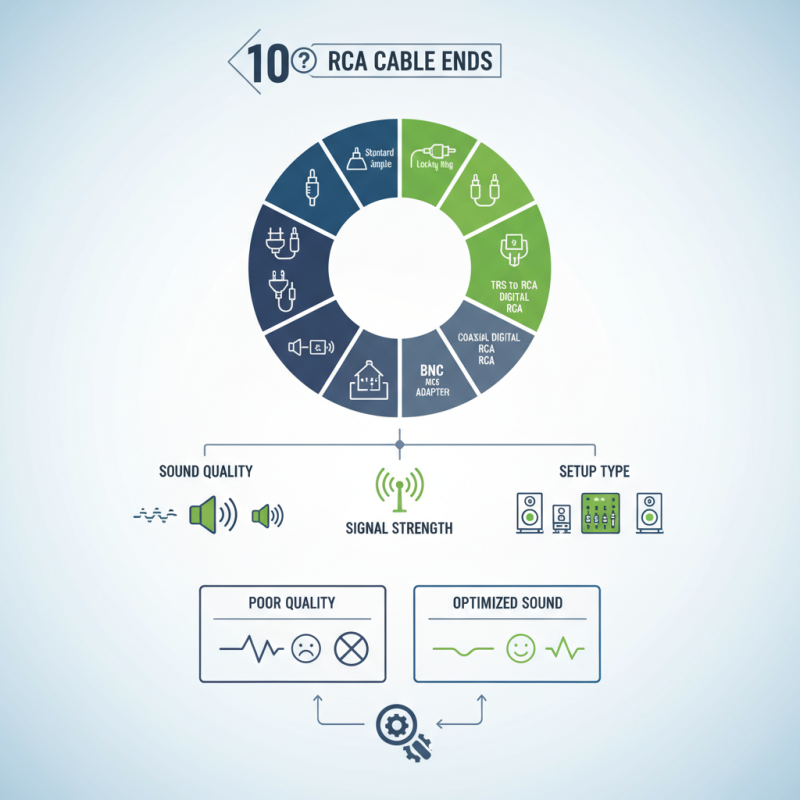
RCA cables are essential in audio and video connections. Understanding their different ends can enhance your setup significantly. There are various types of RCA cable ends, each serving unique functions. The most common are the male and female connectors. Male connectors plug into devices, while female connectors receive them.
The straight RCA connector is widely used. It simplifies connections between devices like TVs and DVD players. However, these ends can be prone to wear. Over time, they might not fit securely.
Another type is the mini RCA connector, commonly found in compact devices. Its size makes it ideal for portable equipment. Yet, its smaller design can sometimes lead to signal loss, which is overlooked by many users.
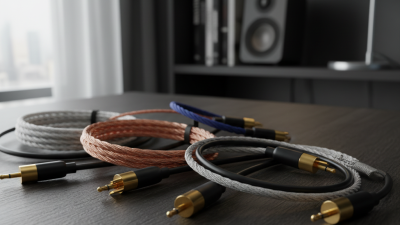
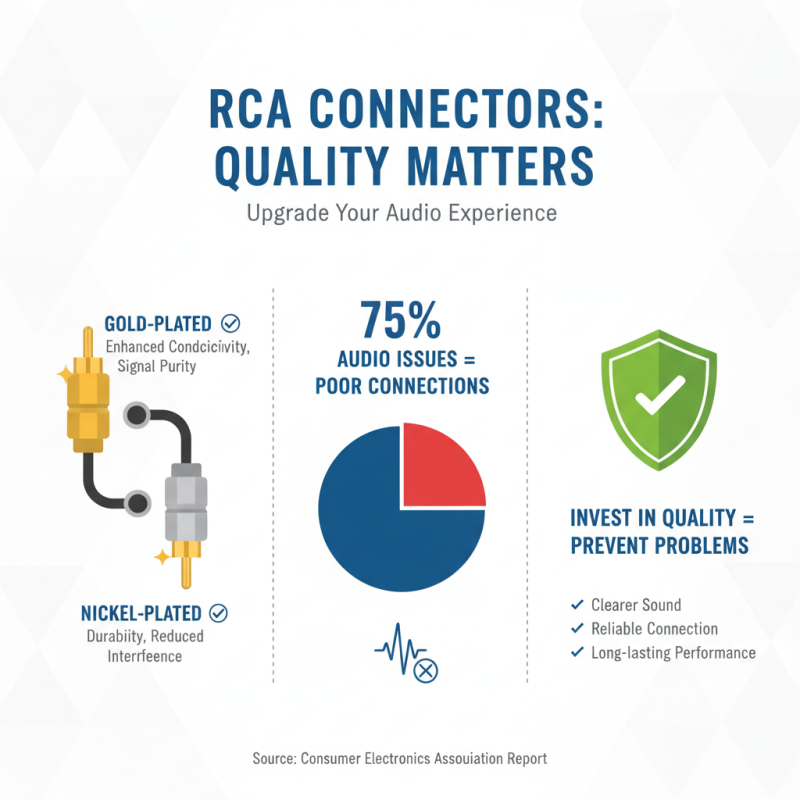
Moreover, there are specialty connectors, like the gold-plated RCA ends. These connectors boast better conductivity. They might improve sound quality, but they come at a higher price.
According to industry data, 45% of consumers notice the difference in sound clarity with quality connectors. In contrast, many don't realize that even slight bends can affect performance. Understanding these details helps you make informed choices for your audio-video needs.
Common Applications for RCA Cables in Home Entertainment
RCA cables play a vital role in home entertainment systems. They are commonly used to connect various audio and video devices. These cables transmit analog signals, making them ideal for older audio equipment. A typical setup may involve connecting a DVD player to a television. You can also link a gaming console to your sound system.
When using RCA cables, ensure proper connections. Loose cables can cause sound issues. It’s helpful to identify color-coded plugs. Red is usually for the right audio channel, white for the left, and yellow for video. This makes setup easier and reduces mistakes.
One tip is to check for wear over time. RCA cables can deteriorate, affecting sound quality. If you notice crackling or loss of signal, it might be time to replace them. Also, avoid bending or twisting cables excessively. This can lead to internal damage. Investing in better quality cables can enhance your listening experience.