Top 10 Audio Cables You Need for the Ultimate Sound Experience?
In the realm of audio technology, the quality of sound relies heavily on the equipment we use. Renowned audio engineer Evelyn Smith emphasizes this, stating, "The right audio cables make all the difference in sound clarity and depth." Audio cables are not just connectors; they are vital components that can elevate your listening experience significantly.
Choosing the right audio cables can be confusing. Many people overlook their importance. They may focus on speakers or amplifiers, but cables deserve attention too. Poor-quality cables can distort sound or limit performance. High-quality cables ensure that your audio setup performs at its best.
Consider this: a well-crafted audio system can only work effectively with the right cables. Invest time in understanding which audio cables match your gear. Each cable has its unique benefits and characteristics. By selecting wisely, you can unlock the full potential of your favorite music or movies.
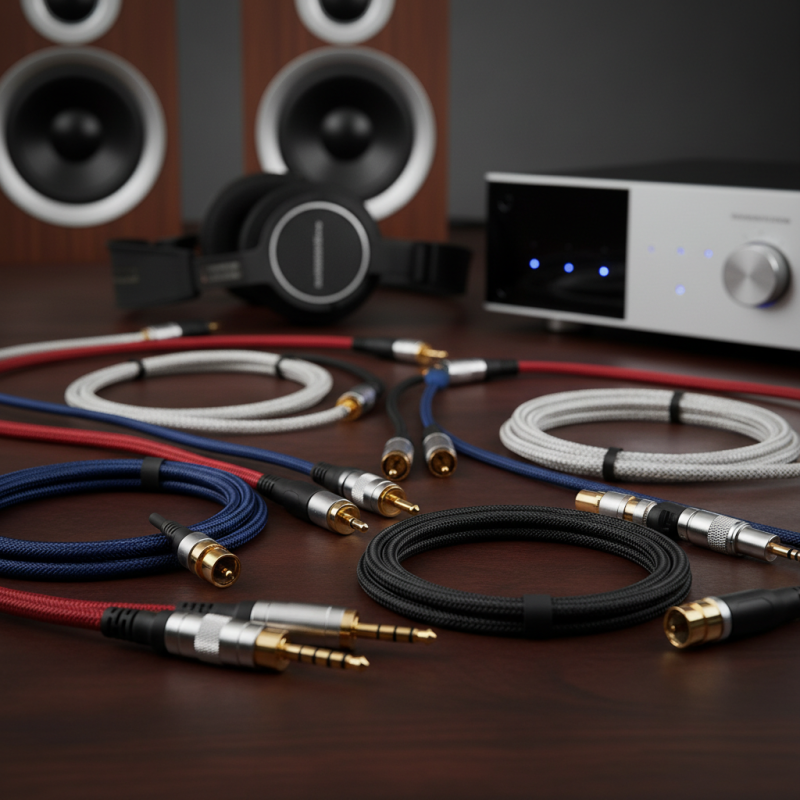
Understanding Audio Cables: A Comprehensive Overview
Audio cables are the unsung heroes of sound quality. They transmit signals from devices to speakers. The right cable can enhance clarity and depth. Poor quality cables? They can muddy the sound. This is especially noticeable when listening to music with intricate layers. You might miss the subtle notes in your favorite song.
There are various types of audio cables. Each serves a specific purpose. For instance, balanced cables reduce noise. However, they require compatible equipment. It’s easy to overlook this detail. Digital cables are great for modern devices, but analog still has a unique warmth. Many enthusiasts prefer analog despite the convenience of digital options.
Choosing a cable can be overwhelming. Different environments can impact performance too. Factors like distance and interference are crucial. A long run may need a thicker cable to maintain quality. Some connectors are user-friendly, while others require a bit of technical know-how. Balancing these elements is vital for achieving the best sound experience. Don't forget to evaluate your setup periodically. What works today may not be optimal tomorrow.
Types of Audio Cables: Unraveling the Basics for Users
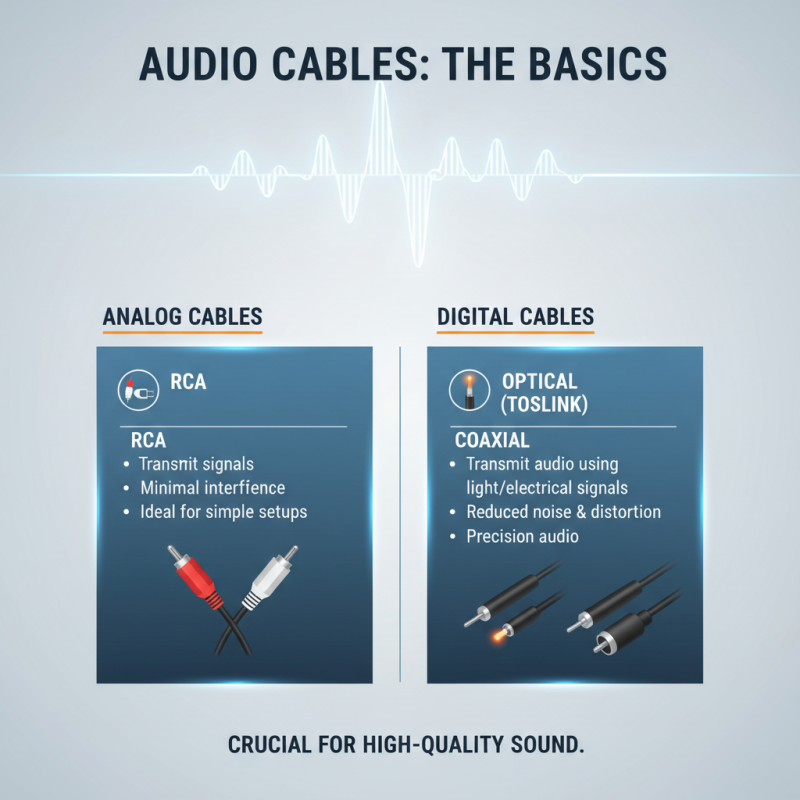
When it comes to audio cables, understanding the basics is crucial for delivering high-quality sound. Different types of cables exist, each with its unique function. For instance, analog cables like RCA transmit signals with minimal interference, ideal for simple setups. Then there are digital cables, such as optical and coaxial, which are known for their precision. These transmit audio using signals, reducing noise and distortion.
Connectors also matter. XLR cables are popular in professional settings. They offer a secure connection and can carry balanced audio, minimizing hum and noise. Speaker cables are another essential type. They connect amplifiers to speakers. The gauge of these cables can affect sound quality. Thin cables may cause issues, whereas thicker cables can provide better clarity and detail.
Choosing the right cable can be overwhelming. Many users often underestimate the importance of quality. Sometimes, a low-cost option might seem tempting but could lead to disappointing experiences. Users should reflect on their needs and setups before making a choice. Each type of cable plays a role, and understanding these roles can significantly enhance one's listening experience.
Key Features to Consider When Choosing Audio Cables
When choosing audio cables, several key features are essential to consider. Gauge size impacts performance. Thicker cables often offer better conductivity. The material used is also crucial. Copper is highly recommended due to its conductivity. Opt for oxygen-free copper if possible. It results in clearer sound quality.
Tips: Don't just look at price. Sometimes affordable options perform really well. It's important to test cables where sound quality is critical. Compatibility with your audio equipment matters too. Ensure that the connectors fit snugly. Loose connections lead to noise interference. This can ruin the listening experience.
Shielding is another feature to keep in mind. Good shielding protects against electromagnetic interference. This is especially important in urban areas with many electronic signals. Usage also plays a role. Long cables can lose signal clarity. If your setup allows, use shorter lengths for better performance. Always reflect on whether a particular cable meets your sound needs. Sometimes what seems perfect may not perform as expected.
Top 10 Audio Cables You Need for the Ultimate Sound Experience
| Cable Type |
Length |
Material |
Connector Type |
Shielding |
Usage |
| XLR Cable |
10 ft |
Copper |
3-pin XLR |
Foil Shielding |
Microphones |
| TRS Cable |
15 ft |
Oxygen-Free Copper |
1/4" TRS |
Braided Shield |
Mixing Consoles |
| RCA Cable |
6 ft |
Copper |
RCA Plug |
Double Shielding |
Home Audio Systems |
| Optical Cable |
8 ft |
Plastic Fiber |
Toslink |
N/A |
Digital Audio Devices |
| USB Audio Cable |
10 ft |
Copper |
USB Type-A |
Foil Shielding |
DACs |
| HDMI Cable |
6 ft |
Copper |
HDMI Type A |
Triple Shielding |
Home Theater Systems |
| Speaker Wire |
50 ft |
Copper |
N/A |
N/A |
Home Speakers |
| Auxiliary Cable |
3.5 ft |
Oxygen-Free Copper |
3.5 mm |
N/A |
Portables Devices |
| MIDI Cable |
5 ft |
Copper |
DIN Connector |
Double Shielding |
Musical Instruments |
| Speaker Banana Plugs |
N/A |
Metal |
Banana Plug |
N/A |
Speaker Connections |
Top 10 Audio Cables for Exceptional Sound Quality
Choosing the right audio cables can significantly transform your sound experience. Exceptional sound quality relies on more than just speakers and amplifiers. High-quality cables can enhance clarity and depth. Look for balanced cables to reduce interference. Unbalanced cables might sound good but can struggle in larger setups.
Not all cables are created equally. Some may look appealing but fail to deliver performance. Consider material quality. Copper is often preferred for its conductivity. However, gold-plated connectors add another layer of durability. Length matters too. Longer cables can lead to signal loss. Experiment with different lengths for optimal sound.
Remember, your environment plays a role. Poor acoustics can mask the benefits of great cables. Be prepared to adjust your setup. The best cable may not shine in a noisy room. Reflect on your space and how sound travels. The right cable is part of a larger puzzle. Each component matters for that ultimate sound experience.
Top 10 Audio Cables for Exceptional Sound Quality
Caring for Audio Cables: Maintenance Tips for Longevity
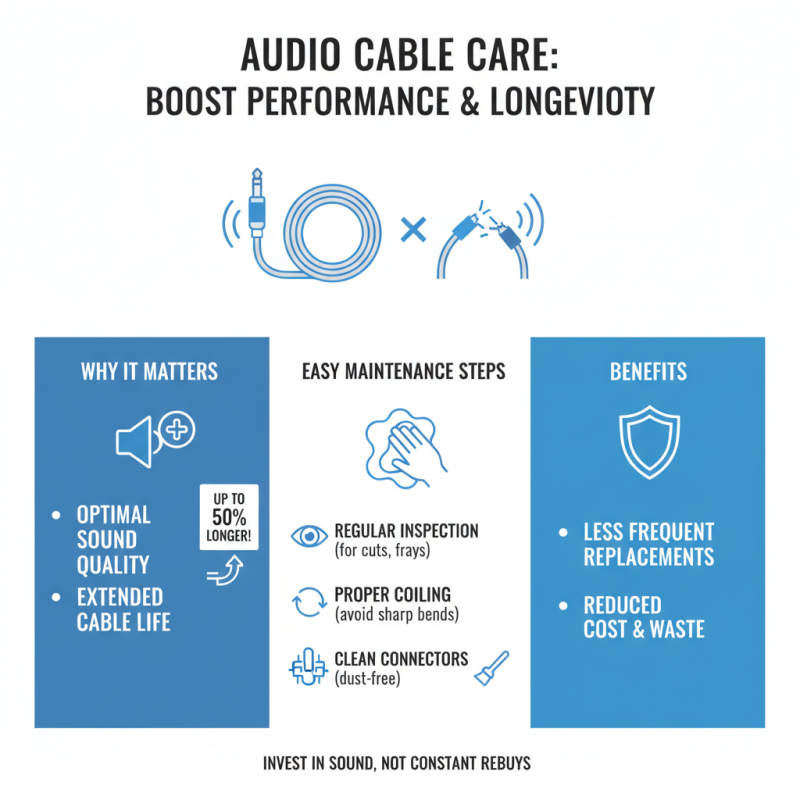
Taking care of audio cables is crucial for optimal performance and longevity. Many users overlook this aspect. According to industry data, proper maintenance can extend cable life by up to 50%. This means better sound quality and less frequent replacements. Regular inspection for damage helps catch issues early.
Cleaning audio cables is essential. Dust and debris can affect signal quality. Use a soft, dry cloth for routine cleaning. Avoid harsh chemicals that could degrade materials. Additionally, proper storage is key. Coiling cables tightly may create tension, leading to wear. Instead, use loose loops to maintain flexibility.
Environmental factors also play a role. Heat and humidity can negatively impact cables. Keep them in a cool, dry place wherever possible. Some cables come with protective coverings, but their effectiveness diminishes without proper care. Regular maintenance and smart storage practices can greatly enhance your audio experience.