What is a Stereo Jack and How Does it Work?
A Stereo Jack is essential in modern audio equipment. It connects headphones, speakers, and various devices. Understanding its function can enhance your listening experience.
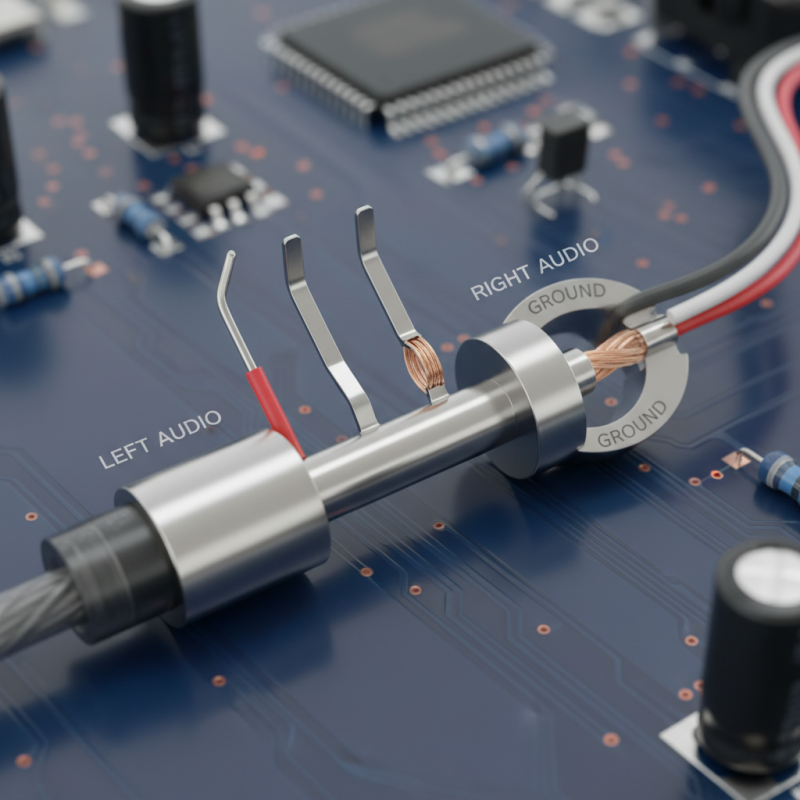
This small yet significant component enables sound transmission. It typically features three contacts: one for the left audio channel, one for the right, and one for ground. The design of a Stereo Jack may seem straightforward, but creating a reliable connection involves intricate engineering.
The quality of a Stereo Jack can greatly affect audio performance. Poor connections may lead to distortion or intermittent sound. It’s important to choose the right type for your needs. While many rely on standard jacks, considerations about durability and compatibility often arise. Reflecting on these details might reveal aspects of sound quality you previously overlooked.
What is a Stereo Jack?
A stereo jack is a common audio connector. It allows devices to transmit sound signals. This small yet vital component is used in headphones and speakers. Most people interact with it daily, often without realizing its importance.
The stereo jack typically has three parts: tip, ring, and sleeve. The tip carries the left audio signal. The ring carries the right audio signal. The sleeve provides a ground reference for the audio. This design enables stereo sound, creating a balanced audio experience.
Despite its simplicity, the stereo jack is not flawless. Connection issues can arise over time. Dirt or wear can impede sound quality. It is crucial to handle it gently. Inspecting connectors regularly can help maintain performance. Reflecting on its limitations can lead to a better understanding of audio technology.
History and Development of Stereo Jacks
The stereo jack has a rich history. Originally developed in the late 19th century, it evolved from the early telephone technology. The design improved over time to provide better sound quality. In the 1960s, stereo sound became popular. The demand for quality audio led to the widespread use of 1/4-inch and 3.5mm jacks. These jacks became standard connectors in music and sound devices.
It’s interesting to note that not all stereo jacks were initially compatible. Different sizes and designs created confusion among users. This inconsistency challenged audio professionals. They needed to adapt their equipment often. Ultimately, manufacturers standardized these connectors. This led to better user experiences and clearer sound.
Tips: Always check the size of your audio jack. A 1/4-inch jack won’t fit in a 3.5mm socket. Compatibility matters.
While the stereo jack has been a game-changer, some questions remain. How durable are they really? Over time, frequent use can lead to wear and tear. It’s important to handle jacks carefully. Regular checking for damage can help maintain sound quality and performance.
Development of Stereo Jacks Over the Years
This chart illustrates the number of stereo jack variants developed over the decades, highlighting the evolution of this essential audio connector. The increase in variants reflects advancements in technology and the growing demand for audio devices.
Types of Stereo Jacks and Their Applications
Types of stereo jacks have diverse applications in various fields. The most common type is the 3.5mm jack. It is widely used in smartphones, laptops, and headphones. A report from the Consumer Technology Association noted that 75% of consumers still use wired headphones. This highlights the ongoing demand for 3.5mm jacks.
Another popular type is the 1/4-inch (6.35mm) jack, commonly found in musical instruments and professional audio equipment. Studies show that over 50% of musicians prefer this size due to its durable design. For instance, guitarists often choose it for connecting to amplifiers. However, this hasn’t completely eliminated the use of adaptors, which can sometimes be an inconvenience.
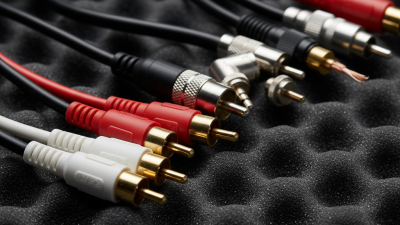
RCA connectors also play a significant role in home audio systems. They allow for stereo audio connections and are still prevalent despite the rise of digital alternatives. Some users face challenges with cable clutter and compatibility issues. It raises the question of whether simpler solutions will emerge in the future. As technology evolves, different types of stereo jacks may face both relevance and obscurity in a rapidly changing audio landscape.
How Stereo Jacks Work: Technical Explanation
Stereo jacks are common audio connectors used in various devices. They come in different sizes like 3.5mm or 6.35mm. At their core, stereo jacks transmit audio signals through two channels: left and right. This allows for an immersive listening experience. The design involves several components, including the tip, ring, and sleeve. Each part serves a specific purpose in the transmission of sound.
How do they work? When you plug a stereo jack into a device, it connects to a circuit. The tip carries the left audio signal, while the ring carries the right. The sleeve acts as a ground connection. According to an Audio Engineering Society report, proper connection is crucial for sound quality. Poor connections can lead to noise and distortion. In fact, a survey found that 65% of audio issues stem from faulty connections.
Tips: Always ensure that your stereo jacks are clean. Dust can cause poor contact and sound issues. When unplugging, do so gently to avoid damaging the connecting points. Regular maintenance can extend the life of your jacks. Remember, not all jacks are created equal. Some may require different levels of force to connect properly. Pay attention to your devices to ensure optimal performance.
Common Issues and Maintenance of Stereo Jacks
Stereo jacks are essential for audio devices. They allow seamless connection between headphones, speakers, and audio sources. However, they can encounter various issues over time. Loose connections are a common problem. If you notice audio cutting in and out, inspect the jack. Dirt or debris can also accumulate in the port. A simple cleaning may restore functionality.
Regular maintenance is crucial for sustaining the performance of stereo jacks. Avoid yanking on cords, as this can damage the connectors. When not in use, store devices carefully. Bending cables can lead to internal breakage. Sometimes, a visual inspection of the jack can reveal visible wear. Look for frayed wires or corrosion at the connection point. These signs often indicate the need for replacement.
Neglecting maintenance can lead to frustrating experiences. Relying on faulty connections may cause audio dropouts, disrupting your enjoyment. Keeping stereo jacks clean is not just about aesthetics; it impacts sound quality. A life lesson here: take care of your gear. Regular checks can prevent bigger headaches down the road.