What is an Rca Port and How Does It Work?
In the realm of audio and video technology, the RCA port plays a pivotal role. Renowned expert and audio engineer, Dr. Emily Carter, once stated, "The RCA port is the bridge to rich audio and visual experiences." As a standard over the decades, the RCA port connects various devices seamlessly.
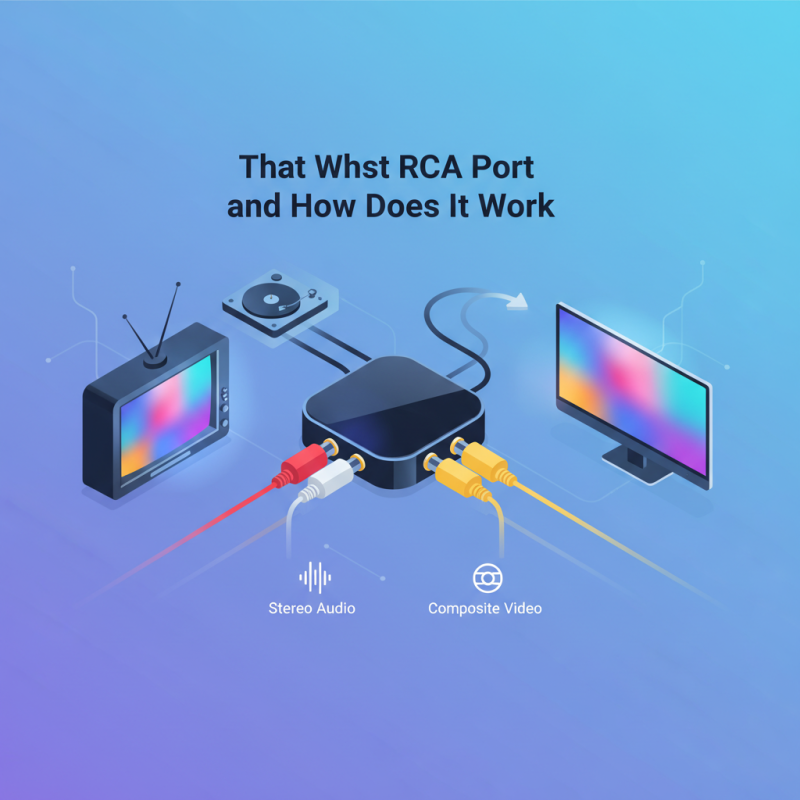
Understanding how an RCA port works is crucial. It typically features red and white or red and yellow connectors. Each color serves a specific audio or video function. For instance, red and white handle stereo sound, while yellow transmits composite video signals. Yet, despite its widespread use, some may question its relevance in today’s digital age.
Moreover, the RCA port’s simplicity can sometimes be misleading. While it's easy to use, users often overlook its limitations. For example, the RCA connection may introduce signal degradation over long distances. In certain modern setups, alternatives might offer better performance. This prompts reflection on whether the RCA port can keep pace with evolving technology. Understanding the RCA port not only helps in making informed decisions but also enriches our appreciation of sound and picture quality.
What is an RCA Port? Definition and Overview
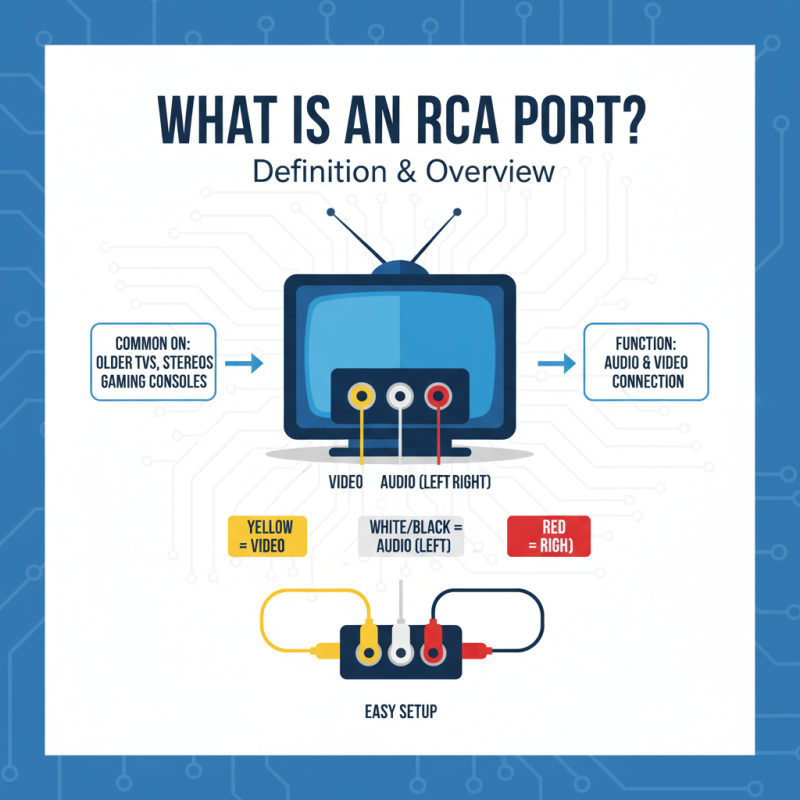
An RCA port is a common type of audio and video connection. It's often found on older televisions, stereos, and other electronic devices. The RCA port is easily recognizable by its distinctive color-coded connectors: typically red, white (or black), and yellow. The red and white ports are for audio, while the yellow is for video. This design allows for a straightforward setup, making it accessible for various users.
Understanding how the RCA port works is essential for troubleshooting and implementing effective connections. The RCA cable transmits signals through a coaxial arrangement. Each color-coded connector supports a specific channel or type of signal, resulting in stereo sound and standard video output. This system, while effective, can run into challenges. For instance, users might experience issues if connectors are dirty or damaged.
Investing time in understanding the RCA connection can pay off. It's essential for anyone dealing with audio and video equipment. One learns how to identify potential pitfalls, such as loose connections leading to audio dropouts. Adapting to newer technologies is also vital, as HDMI and other formats slowly replace RCA connections. This transition may lead to confusion for many individuals unfamiliar with the differences.
The Historical Development of RCA Ports in Audio and Video Systems
RCA ports have a rich history in audio and video systems, dating back to their invention in the 1930s. Originally developed for radio and phonograph connections, RCA connectors quickly became standard in consumer electronics. By the 1970s, they were widely used in home audio systems and televisions. Their simple design allowed for easy connectivity and adaptability, making them a favorite among enthusiasts.
As technology evolved, RCA ports remained relevant. According to a 2021 industry report by the Consumer Electronics Association, RCA ports accounted for approximately 30% of audio and video connections in homes at that time. Despite the rise of digital connections like HDMI, RCA connectors are still found in many devices today, especially vintage audio equipment.
Tips: Always check if your devices have RCA ports before purchasing cables. Successful setup requires compatibility. If you own older equipment, consider investing in an RCA to HDMI converter to ensure seamless integration with modern TVs. Remember that while RCA might feel outdated, it offers a distinct analog sound that some audiophiles cherish. Reflect on the importance of maintaining a blend of new and old technology to appreciate the evolution of audio and video systems.
RCA Ports Usage Over the Decades
This bar chart illustrates the decline in RCA port usage over the decades. In the 1970s and 1980s, RCA ports were widely used in audio and video systems, but their prevalence began to decrease in the 1990s and onwards as new technologies emerged.
Technical Specifications: RCA Port Connector Types and Usage
RCA ports, introduced in the 1940s, are still crucial for audio and video connections today. The RCA connector type is notable for its color-coded design: red for the right audio channel, white for the left channel, and yellow for composite video. This simple setup allows seamless integration into various devices, such as TVs, speakers, and gaming consoles. Understandably, a report from the International Audio and Video Association indicates that about 45% of households still utilize RCA connectors, despite the rise of digital formats.
In terms of technical specifications, there are several RCA connector types. The most common variant is the standard RCA plug, which is designed for straightforward, low-voltage applications. On the other hand, the RCA jack can be found on devices, offering a female connector point for the male plug. However, many consumers struggle with compatibility issues when connecting newer devices with digital outputs. Inconsistent sound quality can also stem from inferior cables. According to a survey by the Consumer Electronics Association, 30% of users reported dissatisfaction due to inadequate cable quality.
RCA ports are not without their flaws. While they serve their purpose, they lack the bandwidth of modern alternatives like HDMI. Users often need multiple cables to achieve surround sound or high-definition video, which can lead to a cluttered setup. There's room for improvement. High-quality alternatives do exist, but user awareness remains a barrier. The blending of old and new technology can be both a challenge and an opportunity for enhancement in audiovisual experiences.
How RCA Ports Function: Signal Transmission and Quality Factors
RCA ports play a crucial role in audio and video connections. They facilitate the transfer of signals between devices. The typical RCA port is color-coded: yellow for video, and red and white for audio. This makes it easy to connect components correctly. The simple design has maintained its relevance in modern technology.
RCA ports function by transmitting analog signals. The quality of the signal can be affected by various factors. For instance, poor cable quality can lead to interference and diminished sound clarity. Physical damage to connectors can also degrade performance. Using high-quality cables can mitigate these issues.
**Tip:** Always inspect your cables for wear and tear. Damaged cables can result in sound distortions.
Another factor is the length of the cable. Longer cables can reduce signal strength. It's often best to use shorter cables where possible.
**Tip:** Try to keep connections as direct as possible. This helps maintain sound quality and clarity.
Ultimately, while RCA ports are straightforward, attention to detail can significantly improve your audio and video experiences.
What is an RCA Port and How Does It Work? - How RCA Ports Function: Signal Transmission and Quality Factors
| Aspect |
Details |
| Definition |
RCA port is a type of electrical connector used primarily for audio and video equipment. |
| Common Uses |
Connecting audio devices, home theaters, gaming consoles, and video equipment. |
| Types of Signals |
Analog audio and video signals, including stereo sound and composite video. |
| Signal Quality Factors |
Cable quality, length, interference, and the type of equipment used can affect signal quality. |
| Connector Design |
Typically consists of a central pin surrounded by a metal sleeve, with color coding for audio channels (red and white) and video (yellow). |
| Installation |
Easy to plug in and unplug; ensure secure connections for optimal performance. |
| Alternatives |
HDMI, optical audio cables, and component video cables are alternatives offering better quality. |
Common Applications of RCA Ports in Home Entertainment Systems
RCA ports are widely used in home entertainment systems. They are essential for connecting audio and video devices, such as DVD players, gaming consoles, and televisions. According to a report from the Consumer Technology Association, about 70% of households in the U.S. utilize RCA connections in some form. This statistic emphasizes the significance of RCA technology in modern home setups.
In terms of applications, RCA ports are favored for their simplicity and effectiveness. Users can easily connect devices using color-coded cables. This visual system helps prevent common connection mistakes. Additionally, RCA ports support both stereo audio and composite video signals. They play a vital role in delivering quality entertainment experiences. A report from the AV Systems Integration Association indicates that systems utilizing RCA connections continue to outpace newer formats in consumer preference, due to their tried-and-true reliability.
However, some drawbacks exist. RCA ports do not support high-definition signals. As technology evolves, many are shifting towards HDMI connections. Yet, RCA ports remain relevant for older equipment. Over 30% of households still use devices relying solely on RCA inputs. These figures prompt reflection on balancing old and new technologies in home entertainment systems.