What is a Dual RCA Cable and How to Choose the Best?
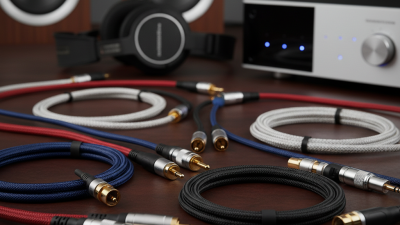
In the world of audio and video equipment, the Dual RCA Cable remains a fundamental component. This cable connects various devices, ensuring sound and video signals are transmitted efficiently. According to industry reports, the demand for high-quality audio solutions has surged in recent years, highlighting the importance of reliable cables. A Dual RCA Cable typically features two plugs for audio output, commonly used in home theaters and professional setups.
Choosing the best Dual RCA Cable involves understanding specific features. Length, shielding, and connectors play critical roles in performance. With varying prices in the market, consumers need guidance to identify quality products. Notably, many users still select cables based solely on appearance, often neglecting technical specifications. This can lead to subpar audio experiences.
Investing in a quality Dual RCA Cable can significantly enhance sound quality. However, it is essential to consider the environment and devices it will connect. Ignoring these details might result in an inadequate experience. The right choice can elevate both everyday use and professional settings, making the effort to educate oneself worthwhile.
What is a Dual RCA Cable?
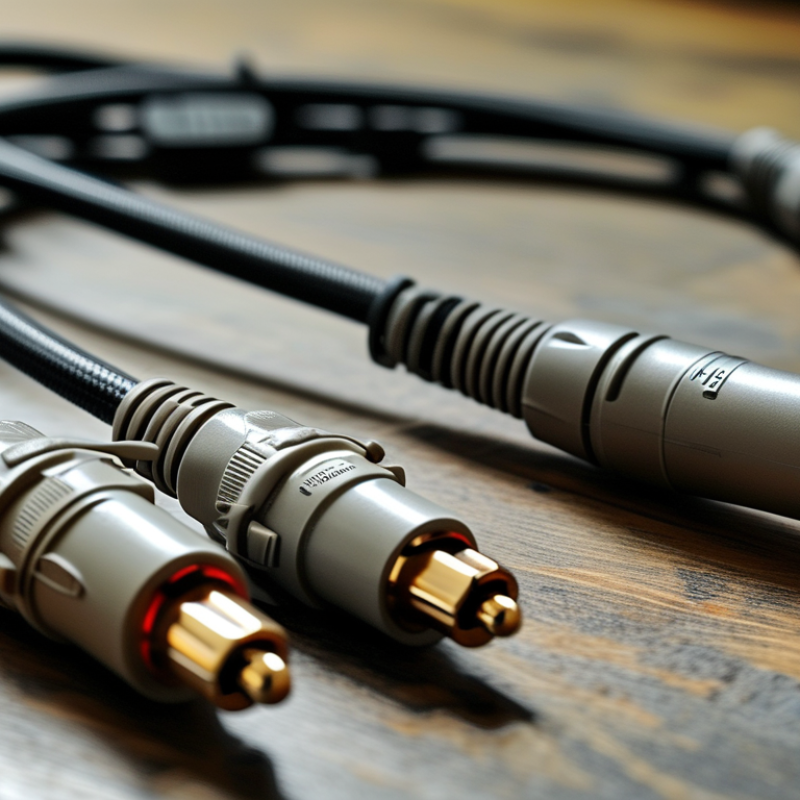
A Dual RCA cable is a unique type of audio cable. It is designed with two connectors, typically one for the left audio channel and one for the right. This allows for stereo sound, making it ideal for connecting various audio devices. Common uses include connecting amplifiers, speakers, and televisions. According to the Consumer Electronics Association, over 80% of audio systems utilize RCA cables for their flexibility and reliability.
When choosing a Dual RCA cable, several factors should be considered. The length of the cable can impact sound quality. Longer cables may result in signal loss, which affects audio clarity. A study by Audioholics suggests that optimal lengths range between 6 to 12 feet for most home setups. Additionally, cable construction matters. Look for cables with good shielding to reduce interference. Even small variations in design can lead to noticeable differences in sound quality.
Nonetheless, not all Dual RCA cables are created equally. Some lower-quality options may have poor insulation or weak connectors, which can lead to issues like intermittent sound. It’s worth investing time to review options and select a product that meets audio demands. Researching customer reviews and expert opinions helps navigate these choices more effectively.
Common Uses of Dual RCA Cables in Audio and Video
Dual RCA cables are essential for many audio and video applications. They carry both left and right audio signals, making them ideal for connecting devices like televisions, speakers, and amplifiers. According to industry reports, the demand for quality audio solutions has surged by over 35% in recent years. This increase emphasizes the importance of using reliable connections, such as dual RCA cables, to ensure optimal sound quality.
In audio setups, dual RCA cables are often used in home theaters and professional studios. They help link components like mixers, speakers, and audio interfaces. The clarity provided by these cables minimizes signal loss, which is crucial in high-fidelity systems. Data shows that approximately 70% of audio professionals prefer analog connections for their warm sound. However, users should be cautious about the quality and type of materials used in these cables; lower-quality options can lead to interference and degraded performance.
For video applications, dual RCA cables are frequently utilized in standard-definition devices. They transfer composite video signals but can cause image quality issues in higher-resolution formats. Consumers should be aware of these limitations when choosing cables for HD setups. A common mistake is overspending on cables without considering compatibility. Research indicates that many users overlook the importance of cable quality, which can lead to frustrating technical problems. Opting for well-reviewed cables can save time and enhance overall system performance.
Key Features to Consider When Choosing a Dual RCA Cable
Choosing the right dual RCA cable involves several key features. First, pay attention to cable length. Longer cables can lead to signal degradation. It’s essential to find a length that suits your setup without compromising audio quality.
Next, consider the cable's construction. Look for a cable with good shielding. Shielding reduces interference from other devices. A well-shielded cable can provide clear sound, making it a worthy investment.
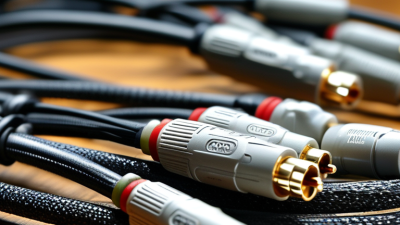
Another crucial factor is connector quality. Gold-plated connectors resist corrosion and improve connectivity. A secure connection ensures minimal signal loss. Some may argue that price directly correlates with quality, but it might not always be the case. It’s advisable to read reviews and compare different options.
Comparing Different Types of Dual RCA Cables
When selecting a dual RCA cable, it’s essential to understand the different types available. Dual RCA cables typically come in two varieties: shielded and unshielded. Shielded cables are designed to reduce interference and are ideal for professional audio environments. They offer better sound quality and clarity. Unshielded cables, on the other hand, are often more affordable. However, they may pick up noise more easily.
Length matters when choosing dual RCA cables. Shorter cables tend to provide better sound quality due to reduced signal loss. If you need a longer length, consider investing in a high-quality cable, even if it costs a bit more. Additionally, pay attention to the cable gauge. Thicker cables can handle more power and are more durable. A well-built connector can also enhance the reliability of your sound system.
While many options exist, each has its drawbacks. It's crucial to evaluate your specific needs. Whether you're using it for a home theater or recording studio, understanding your setup is key. The right dual RCA cable can make a significant difference, but considering various factors can lead to better choices. Test different cables if possible to find the one that truly fits your sound requirements.
Tips for Properly Connecting and Using Dual RCA Cables
When working with dual RCA cables, proper connection is crucial for optimal sound quality. Start by identifying the color codes. Typically, red is for the right channel and white or black is for the left channel. Ensure that you connect them to the corresponding ports on both your audio source and receiver. A proper fit is essential; loose connections can lead to noise and static.
Consider cable length carefully. Longer cables may introduce signal loss. Aim for the shortest distance between devices while allowing some slack. If you find the arrangement messy, using cable ties can help organize everything neatly. It improves your setup’s appearance and avoids tripping hazards.
Remember, not all dual RCA cables are created equal. Some may lack shielding, leading to interference. Check for well-constructed connectors and thick insulation. Avoid cables that feel flimsy or too lightweight. While it may seem insignificant, the material can impact performance. Reflect on your audio requirements; investing in a decent cable can greatly enhance your listening experience.
Audio Connection Quality with Dual RCA Cables