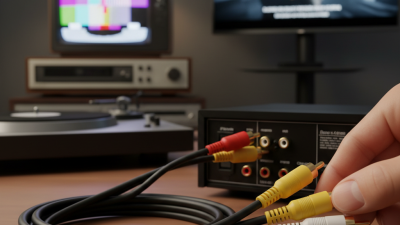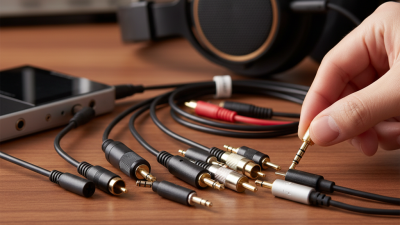
Choosing the right Stereo Jack for global sourcing requires more than comparing unit prices. The connector must survive real handling, repeated insertion, vibration, humidity, and inconsistent installation conditions. A polished product photograph proves very little.
“Reliable connectivity begins with disciplined mechanical design, not attractive specifications,” says Bernhard Weingartner, a veteran connector engineer associated with Neutrik. His observation remains practical. A Stereo Jack should be assessed through measurable details, including contact plating, insulation material, switching function, terminal structure, and rated mating cycles. Check the panel cutout carefully. A one-millimeter mismatch can turn a smooth assembly into a costly production delay.
Ask suppliers for samples. Test them with the intended cable, enclosure, and soldering process. Inspect contact resistance after repeated insertion. Examine the threaded bushing, nut torque, and strain relief under pressure. Small weaknesses appear quickly.
Global sourcing adds more uncertainty. Confirm drawings, tolerances, packaging methods, factory inspection records, and change-control procedures. Verify compliance documents for the destination market. Do not rely on a generic datasheet. Two Stereo Jack models may look identical while using different springs, plating thicknesses, or plastics.
My first comparison was too shallow. Price seemed important, but rework cost more. That lesson still matters.
A dependable supplier should explain test methods clearly and provide consistent production samples. Ask difficult questions. Record the answers. Then compare performance, availability, documentation, and total landed cost together. The cheapest Stereo Jack is rarely the safest choice when failure reaches the finished product.
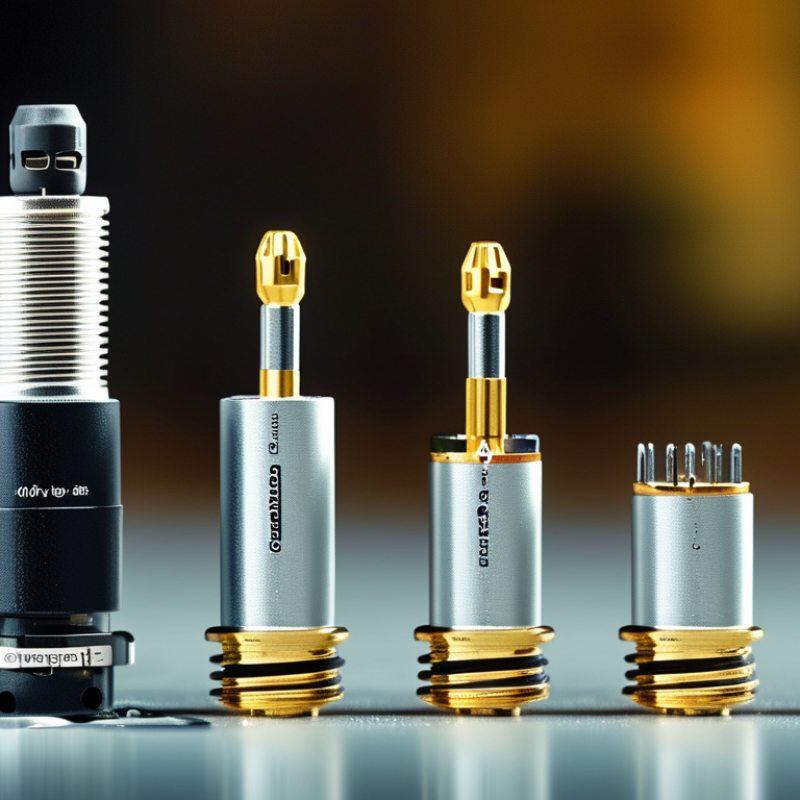
Choosing the right stereo jack begins with identifying its format, not its appearance. A 3.5 mm jack suits compact devices, headphones, and portable audio panels. A 6.35 mm jack offers a larger, sturdier connection for mixers, amplifiers, and studio equipment. Check the panel cutout carefully. A small dimensional mistake can delay an entire shipment.
TS, TRS, and TRRS describe the contact structure. TS has tip and sleeve contacts, usually carrying mono audio. TRS adds a ring, supporting stereo signals or balanced mono connections. TRRS adds a second ring, often used for microphones or headset controls. Do not assume every TRS jack provides stereo output. Wiring and circuit design still decide its function. In real sourcing projects, I compare the contact diagram, rated current, insertion cycles, and mounting method. I also request samples before approving volume production. Small details matter.
Tips: Ask suppliers for a clear pinout drawing and a full mechanical datasheet. Test the jack with the intended plug, including a slightly worn plug. Verify thread length, solder-tab direction, insulation, and noise during movement. Samples can reveal fit problems that drawings miss. I once treated two similar 3.5 mm parts as interchangeable, and the rear clearance proved wrong. That mistake was avoidable. For global sourcing, confirm packaging protection, inspection standards, and consistent terminology before comparing prices.
Identify the format: 3.5 mm, 6.35 mm, TS, TRS, and TRRS jacks
This comparison shows the nominal plug diameter and conductive contact count for common jack formats. TS has two contacts and is typically mono, TRS has three contacts and is commonly used for stereo audio or balanced connections, while TRRS has four contacts and can carry stereo audio plus an additional microphone or control connection. Actual wiring and compatibility should always be confirmed against the target device and applicable regional standards.
How to Choose the Right Stereo Jack for Global Sourcing?
A stereo jack begins with the audio circuit, not the catalog photo. Translate the circuit into voltage, current, and expected operating life. A line-level signal may use only a few volts, but switching contacts can face higher transient stress. Record the peak voltage, RMS voltage, load current, and ambient temperature separately. Do not rely on “audio grade” as a technical rating.
IEC 60603-11 provides a reference framework for audio connector dimensions and performance. The EIA-364 connector test series also covers electrical, mechanical, and environmental evaluations. Use these documents to question supplier data, not to replace it. For example, if a datasheet lists 30 V and 1 A, check whether both values apply simultaneously. Some ratings assume resistive loads, short cable lengths, or room temperature. Real audio equipment may need derating at 60°C. Small details matter.
Life testing needs similar discipline. A supplier may state 5,000 or 10,000 mating cycles, but the test speed, contact load, and failure limit should be visible. Specify the minimum acceptable contact resistance after cycling. Define signal interruption clearly. A momentary crackle may already be unacceptable. I would avoid choosing the cheapest jack here. Still, my first specification draft is rarely perfect; vibration, dust, and user force can expose assumptions. Add tolerance limits, inspection samples, and a qualification test before global production.
Choosing a stereo jack starts with IEC 60268-7, not the plug’s appearance. The standard addresses headphone performance and measurement methods for stereo use. It does not automatically approve every TRS connector or wiring scheme. That distinction matters. During sourcing reviews, request the supplier’s IEC 60268-7 test evidence. Check frequency response, impedance, sensitivity, channel balance, and distortion under stated conditions. Compare the test fixture with your headphone design.
Grand View Research’s 2024 report projects the global headphones market to grow at roughly 20% annually through 2030. Fortune Business Insights also identifies wireless products as the leading segment in its latest market outlook. Rising volume increases the cost of small compatibility errors. For a 3.5 mm stereo jack, verify sleeve, ring, and tip continuity with a calibrated meter. Confirm contact resistance after repeated insertion cycles. Ask for mating-force data, insulation resistance, and left-right channel isolation. IEC measurements help only when test levels and loads are comparable.
Mechanical fit can still hide an acoustic fault. Some plugs seat fully while producing weak bass or a reversed channel. Pilot samples should use several headphone impedances, not one convenient load. Include cable flexing, dust exposure, and temperature changes in validation. I would document every pinout assumption. That step feels excessive. It prevents expensive rework. IEC 60268-7 supports measurement discipline, but each product still needs clear acceptance limits.
When choosing a stereo jack for global sourcing, compliance documents deserve more attention than appearance. A polished metal shell proves very little. Ask for material declarations covering RoHS Directive 2011/65/EU and its applicable amendments. These records should identify restricted substances in terminals, plating, solder, insulation, and housing materials.
REACH Regulation EC 1907/2006 requires careful substance communication. Request the supplier’s latest SVHC statement, not an old template. Check the document date, product number, and responsible legal entity. Compare the declaration with the actual jack construction. A cable-side plastic may differ from the sample shown in a catalogue. Small differences matter. I once trusted a general compliance letter and missed a changed insulating resin. That was a useful warning.
UL 94 ratings help evaluate flame behavior in plastic components. Confirm the exact rating, such as V-0, V-1, or HB, and the tested material grade. Do not assume every black housing uses the same resin. Request test reports, thickness conditions, and laboratory details when safety requirements are strict. Keep samples, drawings, declarations, and batch records together. Supplier answers can be vague. Ask again. A practical review should also check whether production materials match the approved sample. Compliance is not a one-time purchase decision. It can change after tooling, plating, or resin substitutions.
| Evaluation Dimension | Typical Specification or Requirement | Why It Matters for Global Sourcing | Recommended Verification Evidence |
|---|---|---|---|
| Connector format | 3.5 mm or 6.35 mm; TS, TRS, or TRRS contact configuration | The plug diameter and number of contacts determine mechanical fit and signal functions such as mono, stereo, microphone, or control channels. | Dimension drawing, contact assignment diagram, and first-article inspection report |
| Contact material | Copper alloy or equivalent conductive base material with a specified contact finish | Material selection affects conductivity, spring performance, corrosion resistance, and contact stability. | Material declaration, plating specification, and supplier test report |
| Contact plating | Specify plating type and minimum thickness; nickel or precious-metal finishes may be used depending on the application | A defined finish helps control oxidation, insertion wear, and electrical contact resistance. | Plating cross-section report, XRF result, and corrosion or durability test data |
| Insulating body material | Molded engineering thermoplastic with a declared resin grade and flammability classification | The insulator must maintain dielectric separation, dimensional stability, and heat resistance during assembly and use. | Material safety data, resin declaration, and independent flammability report |
| UL 94 material rating | Use a documented rating such as V-0, V-1, V-2, or HB for the specific plastic part; do not assume the rating applies to the complete jack | UL 94 classifies the flammability behavior of plastic materials and parts under defined test conditions. | Current UL 94 test report or recognized material certification identifying the exact resin and thickness |
| RoHS 2011/65/EU | All applicable homogeneous materials must comply with the restricted-substance limits in Directive 2011/65/EU and applicable amendments | RoHS compliance is commonly required for electrical and electronic equipment placed on the European market. | Signed EU RoHS declaration, homogeneous-material data, and laboratory test results for risk-based verification |
| RoHS restricted substances | Verify lead, mercury, cadmium, hexavalent chromium, PBB, PBDE, and the four phthalates DEHP, BBP, DBP, and DIBP | These substances are controlled under the current RoHS restriction framework, subject to applicable exemptions and concentration limits. | Substance declaration mapped to each homogeneous material and supporting analytical report where required |
| REACH EC 1907/2006 | Request confirmation against the current REACH requirements and the latest Candidate List of Substances of Very High Concern | REACH obligations can change when substances are added to the Candidate List; declarations should therefore be date-controlled. | Current REACH declaration, Candidate List screening, and article-level SVHC communication where applicable |
| Electrical rating | Define rated voltage and current for the exact contact configuration; do not use a generic audio-jack rating | Current capacity depends on contact geometry, plating, switching function, and the mating plug. | Manufacturer datasheet, electrical test report, and application-specific load test |
| Contact resistance | Set a maximum value in the purchase specification and measure it before and after durability testing | Low and stable contact resistance supports signal integrity and reduces intermittent audio faults. | Initial and post-test resistance measurements using a defined test current and method |
| Insulation resistance | Specify a minimum insulation-resistance value at a defined test voltage | Adequate insulation reduces leakage and unintended electrical coupling between contacts. | Routine electrical test records and type-test report |
| Mechanical durability | Define the required insertion and withdrawal cycle count based on the product use case | Repeated mating can affect spring force, plating wear, contact resistance, and connector alignment. | Mating-cycle test report with electrical measurements before, during, and after testing |
| Mounting method | PCB mount, panel mount, right-angle, vertical, threaded bushing, or snap-in construction | The mounting style determines board layout, panel cutout, strain transfer, and assembly cost. | 2D drawing, 3D CAD file, panel-cutout dimensions, and assembly trial |
| Environmental operating range | Select a temperature and humidity range appropriate to the end product; common commercial designs are often specified near 0 °C to 70 °C, but the actual rating must be confirmed | Temperature, condensation, and humidity can change plastic dimensions and accelerate corrosion. | Environmental test report, material temperature rating, and application-level validation |
| Quality and traceability | Lot identification, revision-controlled drawings, incoming inspection criteria, and change-notification requirements | Traceability helps manage customs documentation, field failures, material changes, and repeat production. | Certificate of conformity, lot records, inspection plan, and documented engineering-change procedure |
Note: Compliance status must be verified for the exact part number, material formulation, plating system, production lot, and destination-market requirements. RoHS and REACH declarations should be reviewed against the latest applicable legal updates.
A stereo jack should survive repeated insertion, vibration, humidity, and careless handling. Do not trust drawings alone. Audit the supplier’s IP testing records, test methods, equipment calibration, and failure limits. If the jack has an ingress protection claim, confirm the tested configuration. Dust caps, cable entries, and mounting panels can change results. Ask for recent reports, not recycled certificates. The test sample should match the production part, plating, seals, and assembly method.
Check cable and harness workmanship against IPC/WHMA-A-620 requirements where applicable. Review solder joints, crimp height, conductor exposure, strain relief, and pull-test results. Request samples from normal production, not specially selected pieces. Test insertion force, contact resistance, insulation resistance, and mechanical endurance. A polished sample can mislead. I have seen suppliers pass electrical tests while their threaded bodies loosened after repeated cycling. That detail deserves attention.
Tips: Compare three sample lots. Record dimensions and force readings. Request defect rates, monthly capacity, lead times, minimum order quantities, and change-control procedures. Review lot traceability and corrective-action records. Supply data often reveals risk earlier than a factory presentation. Still, data may be incomplete or outdated. Recheck it before approving the source. Keep an approved sample, inspection limits, and packaging photos for future shipments.