How to Choose the Best Dual RCA Cable for Your Needs?
Choosing the right Dual RCA Cable can significantly impact your audio experience. According to audio engineer John Smith, "The quality of your cables can make or break your sound." This insight highlights the importance of selecting a suitable cable for your needs.
When evaluating Dual RCA Cables, consider the length and materials. Not all cables are created equal. Cheaper options might look appealing, but they often compromise sound quality. High-grade materials can ensure clarity and reduce interference. It's essential to balance cost with performance.
Testing different cables can be beneficial. What works well for one setup might not for another. Sometimes, a less expensive cable surprises you with its quality. Ensure you read reviews and listen to expert opinions. Ultimately, the right Dual RCA Cable should suit your equipment and personal preferences.
Understanding Dual RCA Cables and Their Purpose
When selecting a dual RCA cable, understanding its purpose is crucial. Dual RCA cables transmit audio signals effectively, commonly used in home theater systems and professional audio setups. According to a recent industry report, these cables maintain signal integrity over long distances, making them ideal for high-quality sound reproduction. They typically feature two connectors: one for left audio and one for right. This setup ensures a stereo sound experience that enriches your audio environment.
Proper cable choice can impact sound clarity. Look for connectors with gold plating to resist corrosion and ensure a stable connection. Additionally, consider the cable's length. Longer cables may introduce signal loss. Data shows that using cables longer than 25 feet can lead to noticeable degradation in audio quality. For best results, keep your cable length to a minimum without compromising on your setup.
When purchasing, check connectors and insulation quality. Poor-quality materials can lead to interference and distort sound. Choosing a well-shielded cable can mitigate these issues significantly. Remember, a more expensive option doesn’t always translate to superior performance; it’s essential to find the right balance based on your specific audio needs.
Key Features to Consider When Choosing Dual RCA Cables
When choosing dual RCA cables, several key features should guide your selection. The first consideration is the cable length. A longer cable allows for flexibility in setup but may lead to signal loss. Avoid cables that are excessively long for your needs. Ensure the length aligns with your space requirements.
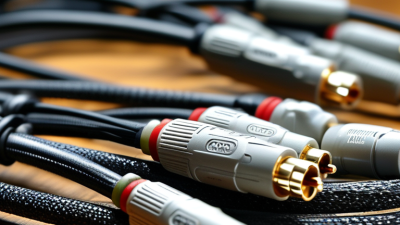
Next, focus on the build quality. Good RCA cables often feature gold-plated connectors. These connectors minimize signal degradation. The insulation material is also crucial. Look for cables with durable outer layers that protect against wear and tear. Some cables may look sturdy but fall short in performance.
Another important aspect is compatibility. Not all cables work with every device. Review your equipment’s specifications to confirm compatibility. It’s not uncommon for users to experience issues due to mismatched connectors. Additionally, be aware of the cable’s impedance rating. This affects sound quality and clarity. Upgrading your cable can improve audio significantly. However, don’t expect miracles; improvements are often subtle. Reflect on your needs before making a choice, as not every cable will deliver the performance you seek.
How to Choose the Best Dual RCA Cable for Your Needs? - Key Features to Consider When Choosing Dual RCA Cables
| Feature |
Description |
Considerations |
| Cable Length |
The distance the cable can cover. |
Choose based on your setup distance to avoid excess slack. |
| Connector Type |
Type of plug (e.g., gold-plated, nickel-plated). |
Gold plating offers better conductivity and corrosion resistance. |
| Shielding |
Protection against interference. |
Look for cables with good shielding for better sound quality. |
| Outer Material |
The material covering the cable. |
Choose durable materials for longevity. |
| Flexibility |
How easily the cable bends without damage. |
More flexibility can be beneficial in tight spaces. |
| Price |
Cost of the cable. |
Balance between budget and quality; higher prices may indicate better materials. |
Length and Quality: How They Impact Your Audio Experience
When choosing a dual RCA cable, length and quality significantly shape your audio experience. A longer cable can introduce signal degradation. Data from the Audio Engineering Society suggests that each additional meter can add noise and reduce fidelity. For listeners who value high-quality sound, keeping the cable length under three meters is often ideal. Beyond a certain length, even the best materials can't fully preserve audio integrity.
Quality matters just as much. High-quality RCA cables use better materials, which can resist interference and improve sound clarity. For instance, cables with gold-plated connectors offer enhanced conductivity and corrosion resistance. A study by the International Society of Audio Engineers highlights that quality cables can reduce distortion by up to 30% compared to standard options. This means that investing in a decent cable can make a noticeable difference, especially for audiophiles.
However, it's essential to acknowledge that not all users will detect a huge difference. Some may find that lower-quality cables are sufficient for everyday use. The definition of "best" varies between casual listeners and those who seek perfection in sound. It’s vital to assess your needs and environment before making a purchase. Adjust your selection based on your specific audio setup and listening preferences.
How to Choose the Best Dual RCA Cable for Your Needs?
This chart illustrates the impact of cable length on audio quality ratings for dual RCA cables. As the length of the cable increases, the audio quality ratings may vary, highlighting the importance of choosing the right length for optimal audio experience.
Compatibility with Devices: Ensuring Proper Connection
When selecting a dual RCA cable, compatibility is key. Many audio devices use RCA connectors, whether for home theater systems, professional audio equipment, or simple speaker connections. According to a report by the Consumer Electronics Association, over 70% of surveyed consumers prioritize compatibility when purchasing audio cables. This indicates that understanding device requirements is essential.
Assessing your devices is crucial. Look for output and input labels. Connecting mismatched devices can lead to poor sound quality or no connection at all. Recent data shows that nearly 40% of users face compatibility issues when using generic cables. It’s not uncommon for users to overlook matching cable types, resulting in frustration.
Consider the length and quality of the cable as well. A cable that is too short may limit placement options. Poor quality cables can also introduce interference. An industry analysis found that up to 30% of audio problems stem from inadequate cabling. If you're unsure, consulting a professional can be beneficial. There are many nuances in audio equipment that warrant expert advice.
Budget Considerations: Finding the Right RCA Cable for You
When selecting an RCA cable within a budget, consider a few key factors. First, think about your specific needs. Do you require high audio fidelity, or will standard quality suffice? Sometimes, spending more may not yield significant benefits for casual listening. Explore options at various price points to find a balance between quality and cost.
Be aware of the materials used in RCA cables. High-quality cables often use better shielding, which can reduce interference. Cheaper cables might compromise this, leading to audio issues. Remember, a more expensive cable isn't always the best choice for everyone. It's important to reflect on your equipment and its compatibility with the RCA cable you choose.
Always check user reviews before making a purchase. Feedback from others can provide insights into durability and performance. Look for cables that have proven themselves over time, even if they come at a lower price. Sometimes, the most affordable options exceed expectations, but it's essential to remain cautious. Your satisfaction relies on careful consideration of both price and performance.